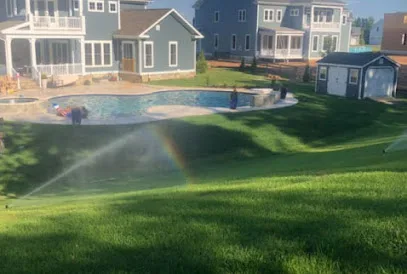
When a lawn sprinkler system starts feeling “almost right,” the issue is rarely that the system needs a bigger budget—it’s that the problem description is too vague. For homeowners in the Milford, CT area calling Butler Irrigation & Landscape, good scoping comes down to translating what you see (or hear) into specific irrigation signals the crew can verify on site.
Start with the symptom pattern, not a generic repair request
Before you call, watch your irrigation system for a full cycle and note which parts of the system misbehave. Is it a single zone that won’t run, a zone that runs at the wrong time, or coverage that’s off across multiple areas? A controller setting problem, a valve issue, or a sprinkler head delivery problem can look similar from the curb.
But the scoping win is simple: describe the failure pattern. For example, tell them whether one zone under-waters while the rest behave normally, whether only the same area over-sprays, or whether the whole system stops after the same step. That pattern helps narrow whether the repair path should focus on the controller schedule, the valve operation, or the sprinkler head coverage.
Use valve-box clues to avoid the wrong scope (and the wrong cost)
Irrigation valves are where “mystery” symptoms often become readable. If you can safely access the area around the valve box (without disturbing electrical or plumbing), note what you can observe: standing water where it shouldn’t be, condensation, active bubbling, or a noticeable change when the zone turns on. Even without tools, these clues can point toward leakage, stuck operation, or a delivery mismatch.
For many homeowners, the expensive mistake is asking for “sprinkler repair” without distinguishing a leak in the valve area from a head that’s popped up too high, clogged, or mismatched to the coverage pattern. When the request is specific—zone behavior plus what the valve area looks like—you’re more likely to receive a scoped diagnostic rather than a broad, guess-based quote.
Confirm coverage and delivery before agreeing to replacements
One of the most useful things you can do for any sprinkler repair quote is to document what “coverage” means at your property. Take a quick mental (or phone) map of which lawn sections receive water and which do not. Pay attention to how sprinkler heads rotate or pop up, whether spray is arcing into non-target landscaping, and whether the under-watering area stays consistent across cycles.
If you notice drifting spray, dry patches, or uneven patterns, that information helps separate issues like clogged or misaligned sprinkler heads from broader irrigation layout or pressure-related performance. The goal isn’t to self-repair—it’s to give the contractor a clear snapshot so the diagnostic is efficient.
When backflow questions come up, plan for proper water management
Many irrigation systems include backflow-related water management components that should be handled correctly during any repair work. If your symptoms involve recurring shutoffs, unusual water behavior, or you’re already thinking about seasonal adjustments, ask how backflow and water management factors into the plan. A reliable contractor can explain what they inspect, what documentation might matter, and how they keep the repair aligned with safe system operation.
What to say (and what to ask) when you call Butler Irrigation & Landscape
Keep your call anchored to facts: which zones are affected, what the controller appears to be doing, and what valve-area clues you observed. If you’re in Milford and referencing the public listing details, you can start with their address at 58 Pearson Ave, Milford, CT 06460, United States and call +1 203-877-2248. The listing also tags their service category as a Sprinkler Repair Specialist and notes Parking, which can help with visit planning.
During the conversation, ask for an inspection path that follows the system logically: controller timing review, zone/valve operation verification, and then sprinkler head delivery/coverage checks. If the quote doesn’t explain the diagnostic steps, request clarification on what they will test to confirm the root cause.
Why “almost right” problems are worth scoping carefully
Irrigation systems are seasonal, and CT lawns can reveal issues that only show up under certain weather patterns, soil conditions, or run-time settings. When you treat the symptom pattern as the starting point and support it with valve-area observations and coverage details, you help the contractor match the repair scope to the real cause. That approach typically leads to fewer repeated visits and a clearer path to reliable sprinkler performance.
If you’re scheduling sprinkler repair near 58 Pearson Ave in Milford, take five minutes to document your zone behavior and coverage before you call. Then ask for a scoped diagnostic plan—because the best “repair” for an irrigation system usually begins with the right definition of the problem.