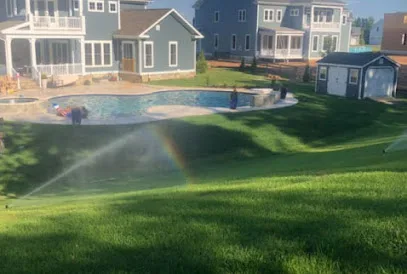
When a lawn sprinkler system starts acting up in Branford, CT, it’s tempting to describe the problem as “low water pressure” or “the sprinklers aren’t working.” But for irrigation repairs, the most important step is scoping the work correctly—so you’re not paying for parts or trips that don’t match what’s actually failing.
This decision guide is built around how Connecticut Irrigation LLC approaches irrigation service for local property owners. Their contact information lists 454 E Main St #2, Branford, CT 06405 and a direct line at +1 203-488-4409, and their published site emphasizes irrigation repair and ongoing maintenance. Use the points below to translate what you see into a clear, appointment-ready problem description.
Start with the pattern: which zones behave differently?
Before anyone opens a valve box, you’ll get the repair process much smoother by noting whether the symptoms are zone-specific or system-wide. Walk the yard and check:
Zone-only issues: One area sprays weakly or not at all while other zones run normally. This pattern often points toward a valve, a localized blockage, a leak, or a head/supply problem in that zone’s plumbing run.
Whole-system issues: Multiple zones share the same symptoms—such as reduced throw across the yard or frequent cycling. That more often suggests a supply/pressure-side issue, a controller scheduling mismatch, or a broader distribution problem.
Ask for an inspection order that moves from controller to valve
Repair scope gets blurry when the first step is guesswork. A better approach is an inspection sequence that narrows causes quickly—typically starting at the control side and moving toward the valve and field.
In practice, your call or email to Connecticut Irrigation LLC should include your observations (which zone, what it does, and how it fails). Then request an inspection that checks:
Controller behavior: Are the correct zones calling when the schedule runs? If a zone selection doesn’t match what turns on in the yard, the “repair” might start with wiring, programming, or a component that’s not initiating properly.
Valve operation: If a zone should run but stays silent, the technician can determine whether the valve is receiving power and whether it actually opens under demand.
Field output: Once the zone is known to be opening, the next question becomes whether heads are clogged, misaligned, damaged, or whether there’s a leak between the valve and the sprinkler line.
How valve-box clues change the scope
Valve boxes can tell a story even before tools come out. For example:
Wetness or standing water: Might indicate a leak in the valve assembly or nearby piping, shifting scope from “parts replacement” to locating and repairing a compromised section.
Corrosion or damage: Can suggest longer-term water exposure and may affect which components are realistically repairable versus replaced.
Signs of incomplete opening: If the zone starts weak and gradually improves (or never reaches full spray), that pattern can guide a more targeted diagnosis.
Match the symptom to likely causes: spray pattern, pressure, and timing
When you report symptoms, use details tied to sprinkler behavior instead of general impressions:
Weak spray vs. no spray: Weak output often aligns with partial obstruction, pressure loss along the run, or heads that aren’t delivering full flow. No spray can indicate a valve won’t open, a major blockage, or a shutoff/break.
Uneven coverage: If one section under-waters while nearby heads appear fine, scoping shifts toward the distribution line serving that portion of the zone.
Timing issues: If a zone runs at the wrong time or seems to “cycle” unexpectedly, it’s worth tying the complaint to controller behavior and zone call patterns.
Confirm what “repair” includes before the schedule
To keep the job aligned with your budget and timeline, ask for clarity on what’s included in the first visit. For sprinkler and irrigation repairs, a solid scope conversation usually covers:
• Which zones were tested and what was found
• Which components are being repaired versus replaced (valves, heads, wiring, filters, or associated fittings)
• Whether a backflow-related step is involved, if applicable, for safe operation and compliance needs in your setup
• How the technician plans to verify the fix (for example, confirming each affected head and area in the zone once the system is running)
When you describe the problem this way, you’re helping Connecticut Irrigation LLC (and any irrigation contractor) skip vague assumptions and focus on the most likely failure point.
Use the Branford contact details to book a scoping call
If you’re dealing with a failing lawn sprinkler system, start by calling +1 203-488-4409 and mention your zone symptoms. Sharing the address on file—454 E Main St #2, Branford, CT 06405—also helps the conversation stay grounded in your property specifics. Then ask the technician to confirm an inspection order that moves from controller checks to valve operation and finally to field output.
With that structure, you can get a clearer repair plan the first time—so your irrigation system returns to reliable watering instead of repeating the same failure pattern.