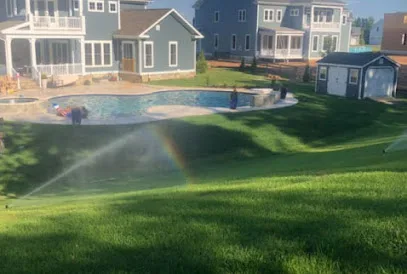
If your lawn irrigation isn’t performing the way it used to, the problem usually isn’t “just a sprinkler.” It’s a specific failure path—often tied to one zone, one valve, one controller setting, or a section of irrigation piping. For property owners in the Pawtucket/Providence area, choosing the right scope with an irrigation contractor is what keeps repairs from turning into repeat call-backs.
Da Top Sprinkler Specialists is listed in Pawtucket at 272 York Ave, Pawtucket, RI 02860, United States and can be reached at +1 401-727-2711. Use that contact information to confirm availability and current service coverage, then use the decision points below to match what you’re seeing to what should be inspected.
Start with the symptom pattern: what’s failing, not just what looks broken
Different sprinkler problems point to different components. Before you schedule work, write down what happens when you run the system: does the failure happen on one valve/zone only, or do multiple zones show the same issue at the same time? Is the spray uneven in the same pattern, or does it vary?
A single-zone issue often suggests a valve, a clogged nozzle/rotor head, or localized line problems. Multiple-zone behavior more frequently indicates something upstream—like pressure, supply line constraints, or controller/program settings. When you describe the pattern clearly, the contractor can plan verification steps instead of swapping parts at random.
Ask for a “verification-first” plan for valves and pressurized components
For most sprinkler repairs, the scope should include a way to verify what’s happening under operation. You’ll usually get better results when the contractor separates:
- What they will test (for example, confirming which valve responds, checking whether flow/pressure matches expectations, and verifying the zone command path)
- What they will repair (for example, valve parts, head replacements, or line work)
When a zone won’t run, insist that the assessment covers the full chain: controller output to the valve, valve response, and the sprinkler head delivery performance. That helps avoid the common mistake of replacing heads when the valve or wiring path is the real bottleneck.
If coverage is spotty, clarify whether the issue is distribution or restriction
Spotty coverage can come from clogged nozzles/rotors, misaligned heads, or restriction within a specific irrigation line segment. The wording matters. In your call, ask whether the plan addresses distribution (head-level corrections) or restriction (a line/flow problem). If the contractor can explain how they’ll distinguish the two, you’re more likely to approve scope that fixes the root cause.
Match seasonal needs to the timing of repair work
Irrigation systems don’t behave the same way year-round. During colder months, freeze risk changes what “good” winterization or shutdown-related work should look like, and in spring you may need help with start-up verification so zones run correctly again. If you’re calling for winterization or troubleshooting a restart issue, tell the contractor the season and what you observed when the system last ran.
That context matters for scope decisions because work that makes sense during active watering may be inefficient or incomplete if parts of the system are affected by seasonal freeze exposure or previously drained components.
Plan your questions around cost clarity: what’s included, what’s excluded
Before repairs begin, ask for a clear breakdown you can compare. A reliable scope discussion should cover at least:
- Which zone(s) are included
- Whether valve inspection and field verification are part of the starting work
- What parts are being replaced versus repaired (heads, valves, wiring components, or line sections)
- What information they need from you (system model details, controller observations, or photos of affected heads)
This is also where you confirm the logistics of your property: access timing, any landscaping constraints, and whether areas need protection during repair. Clear assumptions prevent friction and keep the work aligned with your expected outcome.
Use a symptom log to make the repair conversation more precise
One of the most practical ways to get the right scope is to provide a short symptom log. Include which zones fail, what the controller is doing, whether water reaches the heads at full flow, and what the spray pattern looks like. When you can describe “what the system does” rather than only “what it looks like,” you give the contractor a better starting point for a verification-first approach.
For Pawtucket property owners planning sprinkler repair, the decision isn’t simply who to call—it’s what to scope. When the contractor ties the inspection plan to your symptom pattern (especially around valves and zone delivery), you’re more likely to approve work that addresses the root cause the first time.