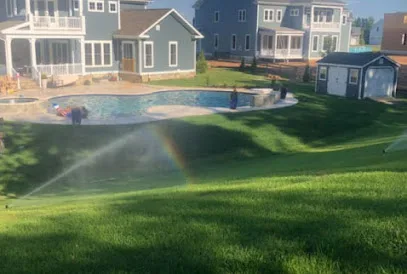
When your lawn looks patchy or certain sprinkler zones behave inconsistently, the cause is often less mysterious than it seems. In many cases, the problem connects to how the irrigation system was handled when seasons changed—especially whether spring start-up and fall winterization were truly verified. For homeowners in Wakefield, Designer Lawn Sprinkler Service structures seasonal service around two key moments: spring activation and end-of-season winterization. Their official site highlights both “SPRING ACTIVATION OF YOUR SYSTEM” and “WINTERIZATION,” and their FAQ describes service that includes activating the system, checking sprinkler heads, repairing damaged lines or heads, and programming the timer for appropriate run behavior.
Scope the work around the actual seasonal outcome
Before you approve any plan, make sure the scope matches the outcome you need. Spring activation is about confirming the system can run normally after winter. End-of-season winterization is about reducing the risk of freeze-related damage as temperatures drop. If you request vague “repairs” in spring but don’t ask for activation checks, or you request “winterization” without clarifying how valves and lines will be protected, you can end up with partial work that doesn’t address the root issue.
Spring activation: verify heads, coverage, and controller behavior
A strong spring start-up visit shouldn’t just turn the system on—it should test performance zone-by-zone and confirm coverage. In practical terms, focus your scoping on three verification areas:
- Sprinkler head function and coverage. Coverage problems often show up first. Ask them to inspect sprinkler heads for correct operation and confirm what the spray pattern and coverage look like once the system is activated.
- Zone behavior based on updated programming. Spring activation is also where controller settings matter. The service description referenced in their FAQ includes programming the timer for appropriate run behavior, so ask that timer review and programming be treated as part of activation—not left as a separate add-on.
- Repairs found during activation. If damaged heads or lines are discovered during start-up verification, clarify that the approved scope allows for repairing those issues uncovered during the activation checks.
Fall winterization: protect valves and lines, not just “shut it off”
Winterization is more than ending the season—it’s the system’s protection against freeze-thaw stress. When you scope end-of-season work, connect it to the components that freeze risk can affect, particularly valves and exposed plumbing. Their materials emphasize “WINTERIZATION,” and the FAQ framing includes repairing damaged lines or heads as part of the service process, which means you can (and should) request that winterization be documented in a way that reflects valve and line readiness for freezing conditions.
Match the quote to what you actually need verified
Generic estimates can make it hard to tell whether you’re paying for the right tasks. Instead, translate what you’re seeing into specific checks. For example:
- Dry patches or uneven coverage: ask which zone(s) they’ll activate first and how they’ll confirm head-to-coverage performance.
- Multiple zones acting up: request a diagnostic approach that considers valves, lines, and controller behavior—not only head replacement.
- Freeze-risk concerns: ask what winterization steps are included and how valve and line protection is handled as part of the end-of-season visit.
If you want an easy way to keep scoping grounded in real information, Designer Lawn Sprinkler Service lists 35 Hopkins Street, Wakefield, MA 01880, and (781) 246-2087. Their website is https://designerlawnsprinkler.com/, where the seasonal service focus is framed around activation and winterization.
Questions that keep spring and fall scopes from drifting
Use these questions when you approve spring or fall work so the job stays tied to the correct seasonal outcome:
- For spring activation: Which heads will be inspected, and how will you confirm coverage after activation?
- For controller setup: Will the timer be programmed based on updated seasonal run behavior, and will you explain what changes were made?
- For winterization: What steps are included to protect valves and lines, and how do you confirm the system is ready for freezing conditions?
- For documentation: After the visit, what notes or service summary will you provide so I can compare next season?
Time it so issues don’t compound
Scheduling matters. If spring activation issues go unresolved, problems can connect back to stresses carried over from winter. Likewise, late fall is not the moment to realize the winterization scope didn’t include the checks tied to valve and line readiness. By aligning requests to spring start-up verification and end-of-season winterization, you improve the odds that the system’s valves, heads, and timer settings are reviewed in a way that supports consistent irrigation.
When you scope seasonal service around what the system needs at that time of year—and ask for verification rather than vague fixes—you’re more likely to get work that prevents next-season trouble instead of reacting to it.