Reducing sprinkler water waste is not simply a matter of shortening every watering cycle. A lawn, sunny border, shaded planting bed, and sloped strip may need water at different rates. The better approach is to match irrigation to the areas being watered, keep water on the root zones instead of pavement, and judge adjustments by what happens in the landscape afterward.
Group landscape areas by water needs
Hydrozoning means grouping plants with similar water needs so that an irrigation zone can serve them with a reasonably consistent schedule. When plants with very different needs share a zone, the controller faces a built-in compromise: a setting that is adequate for one part may leave another too wet or too dry. Separating compatible areas, where the system layout allows it, makes scheduling more purposeful.
Plant type is only one part of the picture. Full sun can dry an area differently from shade, while soil, slope, and exposure to wind affect how water behaves. For example, a hypothetical property might have a sunny lawn, a shaded bed, and a small planting area on a slope. Treating all three as if they had identical needs can mean unnecessary watering in one place and inadequate moisture in another. Consider the actual plants and conditions within each zone rather than assuming that a property-wide setting fits every area.
Hydrozoning is a planning principle, not a guarantee that existing pipes and valves already separate every distinct area. If several kinds of planting share one zone, note where the conflicting needs occur. That information helps distinguish a scheduling issue from a layout limitation.
Keep water on the planted area
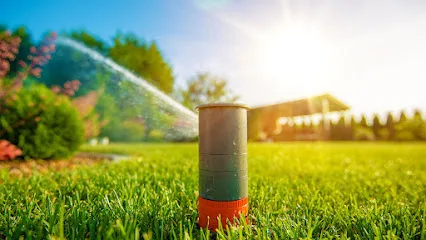
A controller can run for an appropriate amount of time and still waste water if the sprinklers send it onto sidewalks, driveways, or other unplanted surfaces. Look at where the spray actually lands during operation. Overspray beyond the bed or lawn is a delivery problem; water running across the ground before it soaks in is a different clue. Both can reduce the amount available to plants, but they point to different causes.
Water is most useful when it reaches the root area at a rate the soil can absorb. If visible runoff develops during watering, the application may be faster than infiltration at that location. Soil, slope, and the condition of the surface can all matter, so simply adding more time to the same cycle may extend the runoff rather than solve it. Observe the area and consider whether the delivery pattern or the watering approach needs attention.
Different delivery methods suit different spaces. Drip irrigation can be appropriate for some planted beds because it delivers water near plants rather than spraying broadly, while sprinklers are commonly used for lawns. The right choice depends on the planting and system design. The goal is not to replace one method everywhere, but to avoid directing water where it cannot benefit the landscape.
Set controller schedules around the zones
A controller is a scheduling tool, not proof that its default program matches the property. Review what each zone serves and whether its schedule reflects those plants and conditions. A single uniform program can conceal mismatches; changing a setting for one zone may be more informative than adjusting the entire system at once.
Rain or weather-responsive controls can help avoid watering when conditions make a scheduled cycle unnecessary. They do not, however, correct a sprinkler head aimed at pavement, a zone combining plants with unlike needs, or a delivery pattern that produces runoff. Think of responsive features as one input to scheduling, not a substitute for checking the physical system and landscape.
Conditions also change through the season. New plantings, changes in shade, or a period of different weather can make an old schedule less suitable. Rather than relying on a fixed setting simply because it has been used before, pay attention to what the relevant zone is doing and adjust with that area in mind.
Use the landscape to test an adjustment
Change one variable at a time when practical—for example, a zone’s schedule or the way water reaches a particular area. Then observe the affected area over subsequent watering cycles. If several settings and delivery details change together, it becomes harder to tell which adjustment helped or created a new problem.
Read visible clues separately. Water flowing off the surface suggests it is not soaking in as quickly as it is being applied. Persistent wet spots may point to excess water or a localized delivery issue. Plant stress, on the other hand, may mean that water is insufficient or missing the area that needs it. These observations are useful prompts to investigate, not automatic diagnoses; different plants and site conditions can show stress differently.
Make the next change based on the pattern you observe, not on the assumption that shorter run times always conserve water without consequences. For a neutral directory reference, see Doctor Sprinkler Irrigation Service. The broader principle remains straightforward: match each zone to its landscape, direct irrigation where it can be used, and check the result before making another adjustment.