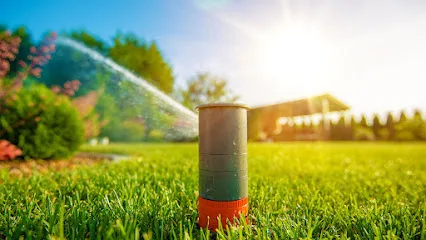
Sprinkler winterization generally means shutting off the water, removing water from system components, setting the controller for winter, and protecting exposed parts from freezing. The right approach depends on the system. Hydra Irrigation LLC. lists winterization and sprinkler repair among its services and warns that unprepared irrigation pipes can freeze and burst. That general scope does not establish the company’s specific procedure or service package.
What sprinkler winterization can cover
Rain Bird’s homeowner guidance describes shutting off the water and removing water from pipes and sprinklers before freezing conditions. It names three possible drainage approaches: manual drain valves, automatic drain valves, and compressed-air blowout. These are alternatives, not steps every property necessarily needs. System design and installed components affect which approach applies, so the list alone cannot identify the method for a particular property. Rain Bird recommends consulting an irrigation professional because drainage choices can carry safety risks.
Preparation can extend beyond buried lines. Rain Bird also advises shutting off the water supply and protecting the main shutoff valve and above-ground piping from freezing. Exposed valves and backflow preventers may need insulation, but their air vents and drain outlets should remain unobstructed. Those components are separate from the drainage method: protecting exposed equipment does not itself remove water from pipes and sprinklers.
When an irrigation problem needs repair
Hydra Irrigation’s sprinkler-service information identifies low or absent pressure, breaks, leaks, and broken heads as reasons to seek diagnosis and repair. The company also lists controller repair. These service descriptions help distinguish an active operating problem from the seasonal concern about freezing.
When reporting a repair concern, describe what you observed—such as a zone that did not run, a damaged-looking head, a leak, or unusually low pressure—and where it occurred. That gives the company a starting point without requiring you to guess at the cause.
Controller settings and service records
Controller preparation is another part of the seasonal changeover. Rain Bird explains that a controller’s rain mode can stop signals to the valves while preserving programmed settings and the clock. Turning off controller power is another option, but depending on the unit, the time and possibly other settings may need to be restored in spring. These differences matter when deciding what to expect from a winter setting: stopping irrigation signals and draining water are separate tasks, and the controller setting does not replace draining or protecting exposed components.
For your own records, note the drainage method the service provider actually used, the components or other work actually addressed, the controller’s ending status, and any work left incomplete. Keeping these items distinct can help you understand what was handled and what remains for spring. This is an organizational suggestion, not a manufacturer’s acceptance standard or a Hydra service or contract commitment.
The fee notice covers non-new-installation estimates
Hydra Irrigation’s request page accepts requests for new-installation estimates or service and says estimates for other work incur a service fee. An estimate for winterization or repair falls within that notice; the page gives no fee amount. Distinguish an estimate request from a request to book service, and account for the stated fee when deciding whether to request a quote.
Contact the Virginia Beach company with your property details
Hydra Irrigation describes its coverage as Hampton Roads and names Virginia Beach among the communities it serves. Its request page lists the company at 120 South Plaza Trail, Virginia Beach, VA 23452, and gives the phone number (757) 917-5652. Those details provide a direct starting point for a Virginia Beach property owner to ask about current service and explain the system’s seasonal or repair needs.