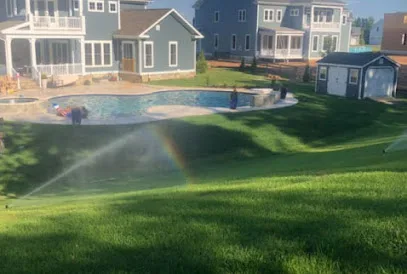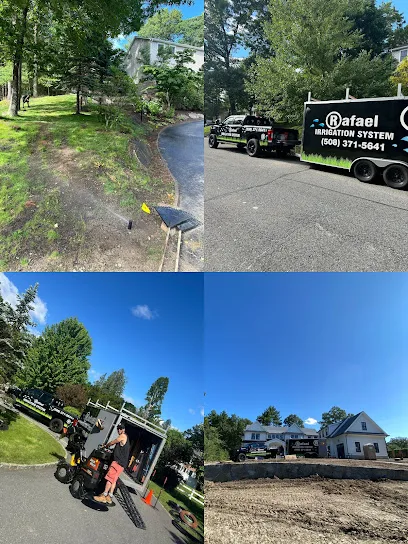
Rafael Irrigation System is listed with a specific sprinkler-repair focus, and that’s exactly where homeowners get the most value from a planned appointment: you want the crew to test the system as a system, not just swap a failed part. With a publicly listed address of 10 Mason St, Hudson, MA 01749, and a contact phone of +1 508-371-5641, this is a good reminder that the work starts with what gets checked during the visit—not with the service name you choose when you call.
Below is a practical decision guide you can use before you book, so you get a clear, defensible scope for your irrigation problems. It’s written to help you translate symptoms (weak zones, heads that won’t pop, a controller schedule that “looks right”) into testable tasks the technician can document.
Start with the symptom: “random” sprinkler behavior usually means zone-level issues
If your lawn irrigation seems inconsistent—some sprinkler heads pop while others stay quiet, pressure drops in only one area, or the system waters on the wrong pattern—the most useful starting point is confirming what changes at the zone level. Ask the technician to explain how they will verify: (1) the controller setting that’s driving the zone, (2) the zone valve behavior for that zone, and (3) the field output (spray vs. rotor coverage and whether heads are obstructed).
This is where a scope can go wrong. Some calls end up being “sprinkler repair,” but you really need “zone-to-valve-to-head verification” so you don’t keep paying for repeat visits caused by an unresolved electrical or valve-actuation problem.
Insist on the zone valve and line checks, not just head replacement
Even if the symptom looks like a head or nozzle issue, the fix may live upstream. A technician should be able to walk you through what they will check at the valve: whether it opens cleanly for the selected zone, whether there are signs of water leakage around valve components, and whether the zone output matches the schedule you selected.
That “talking it through” matters because it helps prevent a common scenario: the crew replaces one damaged nozzle, the zone still runs weak, and you’re left wondering why. A good scope includes verifying why the sprinkler output is what it is.
Make winterization and spring start-up part of the same conversation
In colder climates, winter damage can be subtle. Rafael Irrigation System’s publicly listed services include end-of-season winterization and seasonal inspection, which signals that seasonal protection is expected—not optional. For homeowners, the decision point is simple: if you’re booking during spring start-up or after a cold snap, ask whether your visit will include system inspection for winterization-related issues.
What you’re looking for is confirmation that pipes, valves, and components are checked for irregularities. When that’s missing, the system can “work” briefly and then fail again in the first true watering stretch.
Clarify whether rain sensors and irrigation logic are tested on-site
Another scope item that’s easy to overlook is the sensor side of irrigation control. The official services page for Rafael Irrigation System mentions rain sensor repairs and recalibration. Before the technician starts, ask how they will confirm the rain sensor is reading correctly and that the controller’s logic matches how the system should operate. This matters because a system that stays off—or runs at the wrong times—may be a sensor or programming problem rather than a mechanical one.
Include water-safety and leak work: backflow-related issues should be addressed clearly
If you suspect a leak, water pressure loss, or any recurring problem that seems to affect overall performance, ask how the repair scope handles leak localization and water-safety components. Rafael Irrigation System’s services list includes emergency maintenance examples such as water leak repairs and backflow system leak repair protection.
Even if your issue isn’t an emergency, request a clear explanation of whether leak repair and any related backflow leak protection work are included in the initial scope—or if they become add-ons after diagnosis. A transparent scope helps you understand what “sprinkler repair” actually includes.
Questions that make your quote more accurate (and less repetitive)
When you call, you’ll get the best quote by asking about the tests and documentation, not just the part list. Consider requesting answers to:
- Which zone will you test first, and how will you confirm valve operation for that zone?
- Will you check controller settings and verify the schedule is commanding the expected output?
- Will you include inspection steps that account for seasonal winterization and possible freeze-related issues?
- Will rain sensors be tested/recalibrated if the system behavior suggests a sensor or logic problem?
- If you locate a leak, what parts of the work are included in the initial scope?
Rafael Irrigation System can be reached via http://www.rafaelirrigationsystem.com/ and by phone at +1 508-371-5641, but the real value for homeowners is using the call to align expectations. The more clearly you map symptoms to zone-level and control-level tests, the less likely you are to pay for repeated visits that never address the root cause.