To make an existing sprinkler system use less water, first identify where water is escaping or landing where it cannot help the landscape. Then match the response to the cause: repair a leak, correct poor coverage, or adjust a schedule that no longer fits current conditions. Replacing equipment is not the only path to better irrigation; a focused change can address the actual waste without treating every part of the system as a problem.
Find waste before changing the schedule
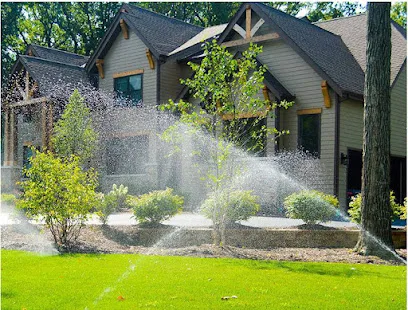
Run each sprinkler zone long enough to observe its pattern, rather than judging the whole system from one dry patch or wet spot. Look for water bubbling or pooling near a head, a spray that continues after the zone should have stopped, or unusually wet ground along a pipe route. A damaged head or connection can send water into the soil or onto a hard surface instead of distributing it across the intended area. If the same patch repeatedly becomes soggy, its location can help narrow which head or line deserves attention.
Also watch where the spray travels. Water hitting a driveway, wall, fence, or sidewalk is a placement or distribution problem; shortening the entire zone’s run time may leave the lawn under-watered while the overspray continues. A hypothetical example: if one head throws water across a path while nearby grass stays dry, note the head and the affected area before changing the controller. That observation points toward coverage rather than a schedule that is simply too long.
Improve coverage instead of watering around a mismatch
A sprinkler zone works best when its heads apply water to the area they are meant to serve. A head that is blocked by growth, tilted, or aimed poorly can leave part of the lawn dry and send another part more water than it needs. Compare the visible spray with the intended boundary of the planting area. Check whether the pattern is interrupted by a new planter, a shrub that has grown over a head, or a changed landscape edge. The important distinction is between insufficient total watering and uneven distribution: adding minutes may not solve the latter.
Different parts of a property may need different irrigation approaches. Turf, ornamental beds, vegetable areas, and shaded sections do not necessarily use water at the same rate. Where the system divides unlike areas into one zone, its schedule has to serve competing needs. Treating the landscape as distinct areas helps show whether a head adjustment is enough or whether the layout itself is mismatched. For example, a hypothetical bed receiving the same spray and timing as an exposed lawn may be getting more water than its plants require, even when the lawn appears healthy.
Set watering around conditions, not habit
A schedule that worked in one season can become excessive after rainfall, during cooler weather, or as plantings mature. Review the controller when the landscape’s needs change, and compare its programmed days and run times with what you observe in the soil and plants. Rainfall is not the only consideration: soil, shade, slope, and plant type affect how quickly water is absorbed and how long it remains useful. The goal is not to apply a fixed number of minutes everywhere, but to avoid running a routine simply because it has not been revisited.
Pay attention to runoff. If water starts moving across a slope or pavement before the soil has absorbed it, extending one continuous cycle can send more water away rather than deeper into the root area. On a site where this happens, shorter watering intervals separated by pauses may give the soil time to take in water. Whether that pattern helps depends on the soil and property; observe what happens during a cycle instead of applying it as a universal setting. A dry-looking surface alone does not establish that the full root zone needs more water.
Choose the smallest effective upgrade
Once the waste has a likely cause, compare possible changes by the problem each one solves. A leak calls for attention to the leaking part; overspray calls for a change in aim, condition, or coverage; a schedule mismatch calls for timing adjustments. If several areas remain uneven after obvious obstructions or aiming issues are addressed, then a broader assessment of zone layout or equipment may be relevant. This sequence keeps a proposed upgrade tied to an observed need instead of assuming that older equipment must be replaced.
When comparing repair and upgrade options, describe the symptom in concrete terms: which zone is involved, where water lands, whether the issue appears during every run, and what changes when the schedule is adjusted. That record makes it easier to understand what a proposed change is intended to correct. Readers looking for a local directory reference can view the Savannah Sprinklers detail page while considering where to seek irrigation help. The practical decision is whether the next change addresses a visible source of waste or simply adds equipment without changing the pattern that caused it.