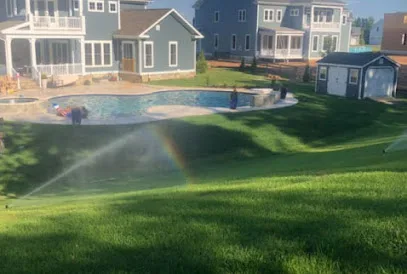
When your lawn irrigation starts acting up as fall temperatures drop, it’s easy to assume the fix is always “sprinkler repair.” But weak or inconsistent zones, wet patches that shouldn’t be there, or a controller that seems to run “right” can point to different causes—hardware failures within the sprinkler system, or a freeze-risk winterization problem that needs proper protection.
For Wayne & Sons Lawn Sprinklers at 59 Smalley Rd, Windsor Locks, CT 06096 (United States) at +1 860-627-8095, the goal is straightforward: match the work scope to the actual issue. Clear details about what’s happening make it more likely the proposed solution lines up with the hardware reality.
Read the system’s behavior: zone, valve, or scheduling?
Irrigation problems rarely show up as one single uniform failure. Instead, you’ll usually see patterns. Those patterns help separate a repair need from a freeze-protection need.
Zone behavior: If one sprinkler zone runs weakly while others look normal, or only certain areas stay dry, that often suggests a localized hardware issue—such as a head-level problem, a restriction along a buried line, or a valve-related limitation affecting that zone.
Valve behavior: If multiple zones act up around the same time, or water appears where it shouldn’t, valve assemblies may be involved. Leaks or sticking can be part of the story, and freeze conditions can make trapped water risks more important as the season changes.
Scheduling behavior: If the controller activates zones on the right schedule but performance still isn’t consistent, the issue may involve how the system responds at the hardware level (including things like sensors or wiring), or it could be masking an underlying failure that becomes worse as cold approaches.
Winterization vs “draining”: what freeze risk actually protects against
Winterization is about preventing remaining water from freezing, expanding, and damaging irrigation components. Even if lines were “drained,” some water can remain where it shouldn’t, and that water can freeze inside pipes, valve bodies, and backflow assemblies.
Hunter Industries describes how freezing water in the backflow assembly can damage internal components and can even crack the brass body. They also outline that winterization commonly uses one of three water-removal approaches—manual drain, auto drain, or blowout (compressed air)—depending on the system setup.
That distinction matters because the target differs: winterization aims to prevent freeze-driven damage before temperatures drop, while repair addresses a current failure in specific parts of the system.
Repair vs winterization: how to tell which damage type is likely
Sprinkler repair typically focuses on broken or failing hardware—things like heads, risers, wiring, valve problems, and leaks. Winterization focuses on preventing freeze damage, particularly for components where trapped water can cause expensive spring failures.
In a freezing climate such as Connecticut’s, freeze-thaw cycles can increase the risk of cracked pipes, damaged valves, and moisture/cold-related controller issues. The timing of cold exposure can matter as much as the calendar.
When winterization should be the priority
Consider leaning toward winterization-first when your real concern is whether the system will survive the next freeze. That can include situations such as:
- A known backflow assembly that remains installed over winter, especially if you’re unsure whether it was handled correctly during prior cold seasons.
- Late-season freeze events that are likely while the system is still in use planning.
- Prior spring problems after cold snaps—such as cracked components, valve issues, or leaks that appeared after freezing weather.
What to gather before you call Wayne & Sons so scope matches
Before contacting Wayne & Sons Lawn Sprinklers at +1 860-627-8095, pull together details that turn a vague “it’s not working” message into a clear description of what needs to be addressed.
Document the symptom pattern: note which zones are affected, what time they run, and what the lawn looks like afterward (for example, dry spots, pooling, or uneven coverage).
Clarify the freeze timing: indicate whether the problem started before cold weather or whether your goal is to protect the system from an upcoming hard freeze.
Describe visible components: if you can access the area safely, identify the general location of valves and the backflow assembly—there’s no need to open anything; just describe what you can see.
Share any prior winterization method you’ve heard about: if you’ve seen references to manual drain, auto drain, or blowout procedures in past maintenance, mention that. If you don’t know, it’s still helpful to say what you do and don’t know.
Questions that keep repair vs winterization from getting mixed up
To reduce the chance of a mismatched scope, focus questions on the plan and the target:
- “Are you proposing a repair for a current failure, or winterization to prevent freeze damage?”
- “If you’re winterizing, what method will be used for water removal, and how will the backflow assembly be protected?”
- “If the system has a leak or valve issue, how will you confirm the exact source before replacement?”
In short, the most effective path starts by separating symptom diagnosis from freeze protection. If you call with a clear description of zone behavior and the timing of cold exposure, a qualified sprinkler/irrigation technician can align the work to the real risk—helping your system be ready to perform when spring returns.