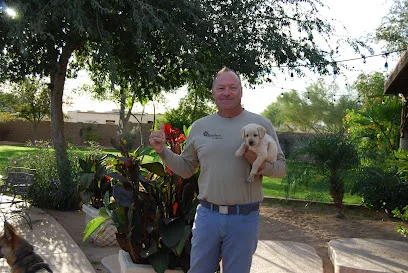
At a glance
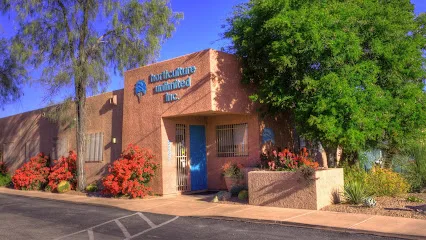
Twisted Palms Irrigation provides sprinkler and irrigation services in Tucson, AZ. Its business information highlights Sprinkler Repair, Water conservation, and Sprinkler head repair. The location is shown at 4620 S Mesquite Ranch Rd, Tucson, AZ 85730, United States. A phone number and website are available for current service, pricing, and scheduling questions.
Service overview
The available service information for Twisted Palms Irrigation covers Sprinkler Repair, Water conservation, Sprinkler head repair, Drip Irrigation, and Irrigation Repair within sprinkler and irrigation. A useful first step is to describe the specific need, location, preferred timing, and any constraints that could affect the work or appointment.
The street address shown for the business is 4620 S Mesquite Ranch Rd, Tucson, AZ 85730, United States. Direct contact is available by phone and through the company website. Review recent terms and contact information directly when timing, travel, documents, property access, or payment details matter.
Before arranging service, ask which systems are supported, what seasonal timing applies, whether backflow credentials are needed, and how quote assumptions are explained. For project work, request a written scope that identifies materials, labor, timing, exclusions, and warranty terms. Clear written answers make it easier to compare the offering with the specific need.
What these services actually involve
A quick walk-through of the irrigation work this listing surfaces, in plain language. Use it to compare quotes or to know what to expect on a first visit.
What general sprinkler repair usually involves
It can mean anything from a head that won't pop up to a zone that won't turn on. A solid first visit usually walks the system zone by zone, checks pressure, listens for valves clicking, and spots wiring issues before any parts get swapped.
What broken-head and nozzle work looks like
Head replacement is the most common irrigation repair. The trick is matching the nozzle pattern and arc to the original — the wrong nozzle on a new head leads to overspray on the driveway or dry corners that get worse, not better.
What water-saving sprinkler upgrades involve
These usually mean a weather-based or soil-moisture controller, properly sized nozzles, and a watering schedule tuned to your soil and plant mix. Done right, summer water bills can drop 20–40% without browning your lawn.
What they cover
Topics with a filled dot showed up on the company's own website or in their Google Maps category. Empty dots mean we didn't find anything either way — call to ask.
-
Sprinkler repair
● On their website
-
Broken or misaligned heads
● On their website
-
Smart / water-saving watering
● On their website
-
Controller / timer fixes
○ Not sure — ask
-
Valve repair
○ Not sure — ask
-
Winter shutdowns & spring startups
○ Not sure — ask
-
Leak finding
○ Not sure — ask
-
Backflow testing
○ Not sure — ask
Where they work
Tucson
Chandler
Mesa
Phoenix
Scottsdale
DIY vs. when to call a sprinkler company
Not every irrigation problem needs a service call. A rough split before you book a visit:
-
DIY-friendly
Replace a single broken pop-up head, swap a worn nozzle, or adjust spray arc. Most of these fixes are a $5–$15 part and a screwdriver.
-
Sometimes DIY
Reprogram a controller or remount it. If you have the manual and your zones are clearly labeled, it's doable; if you've inherited an unlabeled system, a pro saves time.
-
Call a pro
Hidden leaks, buried-valve work, new zone wiring, or main-line repairs. Diagnosing these without the right tools usually means digging in the wrong spot.
-
Pro-only by law
Backflow testing in most cities — only a certified tester can legally file the paperwork your water department needs.
Sprinkler care in AZ
In AZ, the bigger story is usually water cost and restrictions. Summer rates climb quickly, and many districts cap watering days, time-of-day, or total volume. A weather-based controller and well-tuned schedule can cut a summer bill by 30–40% and keep you out of restriction trouble; freeze prep matters less but a brief shutdown is still worth doing in cold snaps.
Common questions about sprinkler service
How do I know if a sprinkler company is reputable?
Look for visible licensing where your state requires it, current backflow certification (in cities that mandate testing), and clear written estimates. Public reviews help, but also confirm the company is currently in business — irrigation is a small-business space and listings can go stale.
What's the difference between sprinkler repair and irrigation repair?
In day-to-day use they mean the same thing. "Irrigation" is the broader trade term and can include drip and microspray; "sprinkler" usually refers to pop-up spray and rotor heads. Most companies handle both and don't draw a hard line.
How often should a sprinkler system be serviced?
At minimum twice a year in freeze regions: a spring startup and a fall winterization. A mid-summer tune-up to check pressure, coverage, and run times is also common — and usually the cheapest visit of the year.
What does a sprinkler blowout cost?
It varies by zone count and region, but a typical small residential system runs roughly $50–$150. Always confirm whether the price is flat or per-zone, and whether re-attaching the air line is included.
When should I replace a controller instead of repairing it?
If your controller is older than about ten years, isn't compatible with smart features, or has had repeated board failures, replacement usually beats another repair. Newer weather-based models can also pay back the install cost in a season or two through water savings.
Do I need a backflow test every year?
Many cities require annual testing by a certified backflow tester for any home with an in-ground system. Check with your water department — fines for skipping it can run several hundred dollars, and some districts will shut off irrigation service until paperwork is filed.