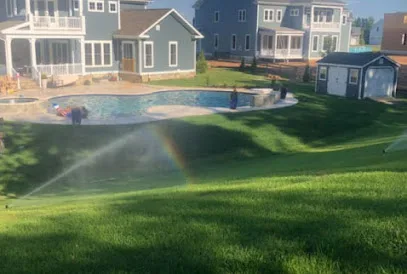
When irrigation starts acting up, homeowners often ask for “sprinkler repair.” But the right solution usually depends on where the problem is showing up: at the zone, at a valve, at the controller programming, or underground. For property owners looking at Avon Sprinkler Services in Avon, CT, the goal is simple—match your symptoms to the most likely irrigation component so your estimate is clearer.
Start with your symptom pattern: zone, valve, or controller?
Use what you see during normal watering cycles. If one area stays dry while others run, that’s frequently a zone-level issue. If multiple areas soak when they shouldn’t, think broader system control—often controller or wiring-related. If a zone runs longer than expected or won’t shut off, a valve problem (sticking or failing to close) becomes a strong suspect.
To keep the conversation grounded, describe the exact behavior. For example: “Zone 3 waters for five minutes and then stops” is different from “Zone 2 runs continuously even when the schedule changes.” Those distinctions help a contractor narrow whether you’re dealing with sprinkler heads, valve operation, or scheduling.
Use “call + listen” clues when mapping the estimate
During troubleshooting, many irrigation repairs can be scoped more efficiently if you provide context. Avon Sprinkler Services is listed with an address of 39 Hunter Rd, Avon, CT 06001 and a phone number of +1 860-674-9076, so you can ask for a call-back process or explain your observations before an on-site visit.
When you speak with a service professional, ask them to walk you through how they will confirm the cause. A well-scoped inspection typically includes checking: which zone is misbehaving, whether other zones operate normally, whether water pressure and spray patterns look consistent, and whether the controller outputs match the requested program.
Green lights vs. red flags for irrigation scope creep
Green lights are statements like: “We’ll isolate whether this is valve operation vs. head distribution for that specific zone.” Red flags sound like: “We’ll just replace several components until it improves.” If you’re budgeting for repairs, request a scope that is tied to your observed failure pattern.
Decide what “repair” should mean for your specific system
“Sprinkler repair” can mean different things depending on what failed. Here’s a practical way to decide what to expect in your estimate.
When sprinkler heads are the likely root cause
Common head-related signs include uneven spray, heads that won’t pop up or retract, clogged nozzles, or areas where watering appears to miss the intended turf. In these cases, you can ask whether the fix involves adjusting heads, cleaning or replacing nozzles, or updating sprinkler alignment.
When a valve (or valve wiring) is the likely root cause
If water won’t shut off, if a zone runs when it’s not scheduled, or if a zone behaves inconsistently, valve operation becomes central. A clear estimate should explain how valve testing will be performed and whether the repair is focused on replacement of a faulty valve, confirmation of electrical signals, or both.
Because underground irrigation issues can overlap—especially when a valve is failing and causing runoff—ask how they will determine whether the cause is truly above-ground control (wiring/controller) or below-ground hardware.
When controller programming is the real problem
Controller-related issues often show up as schedule mismatches: watering starts at the wrong time, zones run out of sequence, or the system behavior changes after a program update. If the problem follows schedule changes, ask the contractor how they will verify controller settings, zone assignments, and whether any repeatable trigger is causing the system to override the schedule.
What to ask before work begins (so the scope matches your needs)
Whether you contact Avon Sprinkler Services or another irrigation contractor, your best next step is to request a repair plan that ties back to evidence. Ask the contractor to describe:
- Which zone(s) they will test first and why
- What observations confirm valve vs. head vs. controller causes
- What parts they expect to replace (and what they will attempt to adjust first)
- How they will prevent repeat failures on nearby zones
This is especially important for homeowners trying to avoid paying for multiple “trial fixes.” If you know your system has multiple affected zones, ask whether a targeted isolation test can narrow the likely component set.
Use parking and site access to help the visit run smoothly
Even small logistics can affect the time a technician can spend testing. The Avon Sprinkler Services public listing indicates Parking is available, so you can ask about the best approach for access to valve boxes, controller locations, and any areas where digging or inspection may be needed. When site access is planned, troubleshooting can move faster from observation to repair.
With a clear symptom pattern—by zone, by valve behavior, or by controller scheduling—you can make sprinkler repair decisions that are easier to understand and easier to compare. Use the evidence you can share, insist on scope explanations tied to those symptoms, and confirm the repair outcome you should expect after the irrigation system is back to normal.