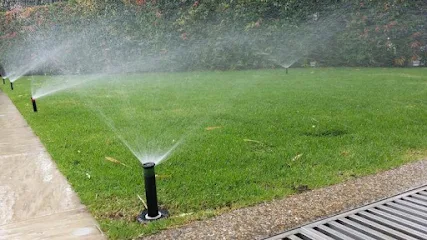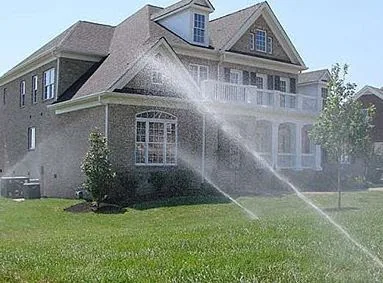
Drip emitters and sprinkler heads can be connected to the same irrigation valve, but that does not mean they will water well together. In most landscapes, separate zones are the more manageable choice: spray heads distribute water over an area, while drip emitters release it slowly at selected points. Their operating pressures and useful run times can differ, and one valve gives both groups the same schedule. A mixed zone makes sense only when the equipment, available flow, and plants’ watering needs line up.
Why unlike outlets are difficult to schedule together
A sprinkler spray pattern wets a broad surface; an emitter applies water close to a plant or root area. Because the delivery rates differ, a run long enough for a bed’s drip line may leave the lawn receiving too much water. A shorter lawn cycle may not give the bed the duration it needs. Soil and planting differences can widen that mismatch: a sunny lawn and a shaded shrub bed may not call for the same frequency, even if both are irrigated efficiently.
Pressure is a separate issue. Sprinkler heads and drip products are designed for operating conditions that may not match. If pressure at an outlet is unsuitable, the spray pattern or emitter delivery can be affected; the zone must also provide enough flow for all outlets operating at once. Measure pressure with the zone running, because operating pressure can differ from a static supply reading.
When a shared zone is a reasonable fit
A mixed zone is most plausible when the specific heads and emitters can operate at compatible pressure, the valve and supply can provide their combined flow, and the plants can use the same watering schedule. Those conditions are more likely when a small planting area has water needs and exposure similar to the adjacent lawn, rather than when the valve serves unrelated beds and turf.
What the drip branch needs
Drip systems commonly use a filter to catch particles that could clog small emitter openings and a pressure regulator to reduce supply pressure to the range required by the selected drip components. Requirements vary by product, so choose components for the actual emitter or tubing specifications and the pressure available at the zone—not by assuming every drip kit uses the same setup. The regulator and filter also need to accommodate the branch’s flow.
Plan the tubing so its ends and connections remain reachable for inspection and flushing. If an emitter becomes blocked or a fitting leaks, accessible components are easier to check than a buried, inaccessible connection. After installation or conversion, run the zone and inspect both kinds of outlet: look for consistent sprinkler coverage and confirm that the drip line delivers at its emitters. A single visibly wet spot does not tell you whether water is reaching every plant along the branch.
Split the zone or convert it as a whole?
Use this comparison to decide which change solves the actual mismatch:
| What you find | Practical direction |
|---|---|
| Lawn and bed need different run times or frequency | Separate them onto independently controlled zones. |
| One valve will serve only a drip-planted bed | Convert the outlets on that valve to a compatible drip layout, with the required filtration and pressure control. |
| Both outlet types need the same schedule and compatible pressure and flow | A mixed zone may work; test the complete zone for even delivery. |
Before changing an existing system, make a simple map of the valve’s outlets, the areas they water, and the desired schedules for turf and beds. A shared valve also leaves less flexibility as plantings or seasonal conditions change. Lexington readers can find contact details for Automatic Rain Irrigation.