For a garden bed with spaced plants or orderly rows, drip irrigation is often the more direct fit because emitters can place water near individual root areas. For a dense planting that fills a continuous surface, sprinklers can provide broader coverage. The best choice follows the bed’s layout—not a blanket rule for the whole yard. If separate beds have different planting patterns, they may call for different watering methods.
The systems put water in different places
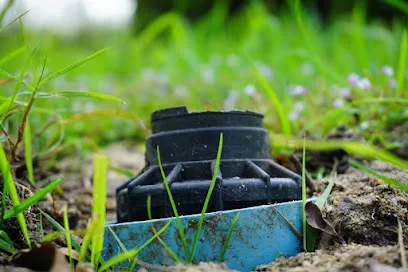
Drip systems carry water through narrow tubing and release it at selected points through emitters. Those outlets can be positioned along a vegetable row, beside spaced shrubs, or near plants set at regular intervals. The pattern is targeted: instead of spraying across the entire bed, the system applies water at planned locations. That makes the relationship between the line and the planting layout important; a bed whose plants move or spread may need the outlet positions reconsidered as it changes.
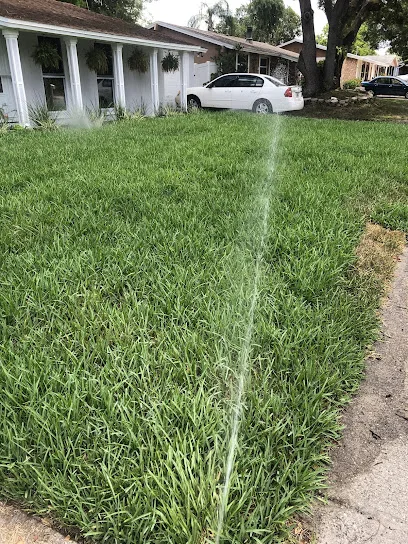
A sprinkler sends water through the air over an area. Depending on its placement and spray pattern, it can reach many plants across a dense bed without requiring an emitter beside each one. This broad distribution can work well for groundcover or a closely planted flower bed where foliage and roots occupy much of the same continuous space. The same spray may also land outside the bed, so the useful coverage is the area reached by water, not simply the area the sprinkler appears to face.
Match the watering pattern to the bed
Start with the shape and spacing of the plants. In a straight vegetable row, picture where roots are concentrated and whether a drip line can follow that row. For shrubs separated by open soil, ask whether outlets can be placed near each plant rather than watering the empty gaps. If a bed has an irregular outline, compare the planting pattern with the parts a sprinkler would actually reach; edges and corners are easy to overlook when considering only the center.
Dense planting changes the comparison. When flowers or groundcover fill a bed from edge to edge, a sprinkler’s broad pattern may be simpler to align with the planted surface. Look at the bed boundary as well as its interior: spray that repeatedly reaches a path or nearby hardscape is not serving the planting. Where wind can shift the spray, observe the actual pattern during operation rather than assuming water lands exactly where the head points.
Soil and plant arrangement affect how useful either pattern is. Water placed at a few drip outlets may not serve plants located between them, while a broad spray can wet areas that contain no plants. The practical test is whether the water reaches the intended root areas across the bed without creating conspicuous dry sections or unnecessary overspray. If plants have different watering needs, grouping them together solely because they share a bed can make either system harder to tune.
Compare the maintenance trade-offs
Drip tubing and emitters need visual attention because narrow outlets can become obstructed. Check whether the line remains positioned where plants need water and whether each outlet is releasing water. A plant that looks stressed while neighboring plants along the same line look healthy can point to a local delivery issue, while a problem affecting a longer stretch invites a closer look along that section of tubing.
Sprinkler systems have exposed heads and adjustable or moving parts that can be disturbed, blocked by growing plants, or misdirected. Their coverage also depends on the spray reaching the bed, so changes in foliage, nearby objects, or wind can alter the pattern. A useful inspection is to watch the bed while the sprinkler runs and note dry gaps, blocked areas, or water crossing the bed edge. Those observations help distinguish a layout mismatch from a simple aim or obstruction problem.
Decide bed by bed, not yard by yard
Use this comparison to map each bed before choosing or changing a watering method:
| Bed pattern | Starting point | What to evaluate |
|---|---|---|
| Rows or spaced plants | Drip irrigation | Can outlets follow the rows or sit near each plant? |
| Dense, continuous planting | Sprinkler coverage | Does the spray reach the planted area and stay within its edges? |
| Mixed layouts in separate beds | Compare each bed separately | Can each area be watered on a schedule that suits its planting? |
For example, imagine a yard with one straight vegetable row and a separate flower bed filled edge to edge. A drip line may fit the row’s orderly planting positions, while sprinkler coverage may suit the dense bed if it reaches the flowers without routinely crossing the border. Treating both beds as one decision could leave one pattern less well served.
Before making a system change, sketch the bed boundaries, mark the plant rows or clusters, and observe where water lands. That simple map reveals whether the challenge is delivery method, outlet placement, or coverage geometry. If you are looking for a local sprinkler-repair option in Tallahassee, see Linn's LLC.