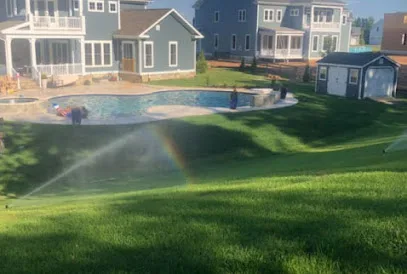
If your lawn irrigation system is ready for colder weather, the “right” contractor isn’t just the one who says they do winterization. It’s the one who can explain how they’ll close and drain your system, how they handle required water-management components, and what smart irrigation settings they’ll protect so your landscape is ready to run again in spring.
Green-Lawn Irrigation, based at 429 Honeyspot Rd, Stratford, CT 06615 and reached at +1 203-371-9988, is positioned as a residential and commercial irrigation contractor. Their site lists seasonal service, backflow prevention, and systems that support water efficiency—use these signals to decide whether their approach matches your needs.
Start with the seasonal scope: winterizing vs. “just turning it off”
A contractor should treat winterization as a process, not a calendar checkbox. On Green-Lawn’s services page, they describe winterizing as closing your system and draining it to reduce the risk of freezing damage, and they note they schedule winterizing starting mid-September through November. Ask them what you should expect during a winter visit (for example, draining method, what gets checked, and what you should do at home between service dates).
Confirm the spring restart window you’re planning for
Green-Lawn also states that opening the system starts beginning to mid-April, after the risk of ground freezing is over. If you’re planning a spring re-seeding, a landscaping refresh, or a change to your sprinkler layout, timing matters—misaligned startup can leave you troubleshooting coverage and runoff issues later.
Backflow prevention: make sure it’s included in the plan (not an afterthought)
For irrigation systems, water protection is part of the job. Green-Lawn explicitly states that a backflow preventer is required by the state of Connecticut and describes backflow preventers as devices that protect water supplies by preventing reverse flow. They also note that if an irrigation system does not include a backflow preventer, it can be added.
What to verify during your call
When you request winterization or repairs, ask whether the quote includes checking the backflow preventer condition and integration with the rest of the sprinkler valve area. If your system has any history of leaks or inconsistent pressure, bring it up early so the plan addresses both irrigation performance and water management.
Smart irrigation fit: controllers, sensors, and water efficiency
Green-Lawn’s “Go Green” page highlights smart irrigation components, including Smartline™ controllers paired with Solar-Sync™ sensors. The broader takeaway for homeowners is that smart irrigation isn’t only about convenience—it can also affect how your irrigation shuts down when conditions change.
How sensors should behave during rain shutoff
Green-Lawn’s services page also notes rain sensors are required by the state of Connecticut and that they temporarily disable sprinkler systems to prevent overwatering and reduce water waste. If your system has frequent “runs after it rains” complaints—or if you notice uneven turf growth—ask the contractor how they troubleshoot sensor behavior and confirm the system responds correctly.
Scope-proofing: align symptoms to the repair/upgrade you’re paying for
Winter is when problems you’ve ignored all season become expensive—frozen components, compromised valve areas, and coverage issues that are harder to fix under weather constraints. Before agreeing to any quote, ask the contractor to describe what they’ll inspect and how they’ll decide what needs replacing versus repairing.
For example, if your issue is uneven sprinkler coverage, the contractor should connect the dots between sprinkler heads (including whether you have different head types), the delivery path through valves, and how settings are applied by the controller. If the issue is a leak near a valve box, you want the winter plan to address the valve-area risk before freeze conditions.
Decision questions that help you avoid the wrong fit
- Do you schedule winterizing starting mid-September through November, and what date range do you recommend for my property?
- Will you drain/close the system in a way that protects valves and other critical irrigation components?
- Is backflow preventer inspection or servicing included, and what happens if it’s missing?
- If we use smart controllers and sensors, how do you verify proper operation before you close the system?
Choosing a sprinkler and irrigation contractor is about matching the plan to your system’s actual needs. If you want, you can start your decision using Green-Lawn’s official contact path at https://www.greenlawnct.com/, then tighten the scope with winterization, backflow, and smart-sensor questions so the work you authorize is the work your lawn irrigation system truly requires.