To tell whether sprinkler pressure is too high or too low, measure it while the zone is running and compare the reading with the operating range specified for its installed heads or nozzles. Spray patterns can point you toward a problem, but the running pressure reading helps guide the correction.
Read the spray pattern as a clue, not a diagnosis
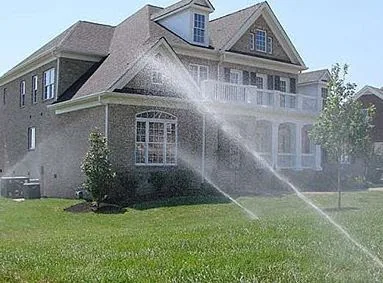
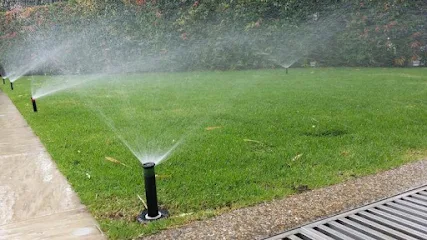
Excess pressure can disrupt a sprinkler’s intended stream, breaking it into smaller droplets or a mist. That spray may drift more readily in the wind and may not reach the area the head is designed to cover. Low pressure, by contrast, often shows up as a weak stream, reduced throw, or a head that cannot produce its usual pattern.
Wind can carry spray off course, and a tilted or obstructed head can distort its pattern. A mismatched nozzle may also change reach or distribution, so check alignment, obstructions, and nozzle type when coverage looks uneven despite a pressure reading within the equipment’s specified range.
Check pressure while the zone is operating
Static pressure is measured when water is not flowing. Operating pressure—also called dynamic pressure—is measured while water is moving, which makes it more relevant to the pressure available to sprinkler heads during irrigation. A static reading can be useful information, but it does not show by itself how the system performs when the zone is drawing water.
Use a pressure gauge with a suitable irrigation connection and take a reading under the same operating conditions in which the spray problem appears. Then compare the result with the manufacturer’s stated operating range for the installed head or nozzle. There is no universal target that fits every sprinkler: equipment design and the selected nozzle affect the pressure needed for its intended pattern. A reading has meaning only when you know which equipment it is being compared with.
Record the zone, the gauge reading, and which heads were running. This gives you a more useful comparison if one zone behaves differently from another or if the symptom returns. A pressure number without its running conditions or equipment reference can be misleading, so keep those details together.
Separate pressure trouble from a flow or equipment problem
Pressure describes the force available in the system; flow describes how much water is moving. A zone that demands more water than its supply can deliver may lose operating pressure. A partially blocked filter or nozzle, a leak, a valve problem, or a restriction in a line can also change the spray. Those issues may create symptoms that resemble a pressure setting that is simply too high or too low.
Use the pattern across heads to choose what to inspect next:
- One head differs: look for debris or damage at its nozzle, or a problem at the nearby connection.
- Several heads in one zone weaken together: consider a shared supply, valve, line, or zone-demand issue.
Match the correction to the measured cause
If operating pressure is above the range specified for the installed equipment, pressure regulation may be appropriate for the affected part of the system. A regulator reduces pressure; it does not add water or repair a leak. If the reading is low, investigate the supply, valve, line, blockage, or zone demand rather than adding a regulator, which would reduce pressure further. The useful next step depends on both the measurement and the pattern across the zone.
After a correction, run the zone again and compare the same heads under similar conditions. A successful adjustment should bring the spray closer to the equipment’s intended pattern; a low reading that remains after a local obstruction is cleared suggests the underlying supply or distribution question still needs attention. The Landscape Design Center in Edgewater lists irrigation among its services.