A water meter can help answer the first important question about a suspected sprinkler leak: is water flowing when the property should be using none? Start with the irrigation system idle and household water use stopped. If the meter still registers flow, repeat the observation with the irrigation supply isolated, if you can identify its shutoff. That comparison can point toward the irrigation branch or toward another source, while a zone-by-zone inspection helps narrow leaks that appear only during watering.
Check whether water is flowing when the house is quiet
Choose a period when faucets, showers, toilets, laundry, dishwashing, and other water-using equipment can remain off. Some appliances may use water automatically, so consider whether anything is scheduled to run during the observation. Look at the meter’s flow indicator, if it has one, or note the displayed reading and return after a short interval to see whether it has changed. The exact display varies by meter, but the useful comparison is whether it registers water use while no one is intentionally using water. A slow change may be easier to spot by comparing readings over a longer interval than by watching for visible movement.
If the indicator moves or the reading advances, water is flowing somewhere on the property. That result is a starting point, not a sprinkler diagnosis: a toilet that continues refilling, a dripping fixture, or another plumbing branch can also account for flow. If the meter stays still, the check has not shown continuous use during that observation.
Use the irrigation shutoff to separate branches
When unexplained flow appears, locate the irrigation supply shutoff only if you can confidently identify it. With household use still off, close that valve and repeat the same meter observation. Keep the comparison consistent: observe the same indicator or reading over a similar interval rather than relying on a brief glance.
If the meter’s movement stops after the irrigation supply is closed, the change points to water use on the irrigation side. It does not identify the exact component; the issue could be in piping, a valve, a head, or a fitting. If the meter continues moving, look for household use or another branch before attributing the flow to the sprinkler system.
Run zones one at a time when the system is operating
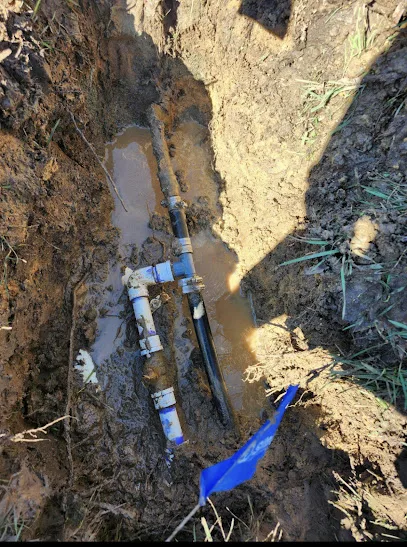
Some leaks are noticeable only when a sprinkler zone is pressurized and running. Restore the irrigation supply and operate one zone at a time, allowing enough time to observe the area it serves. Look for water bubbling up, pooling where spray does not normally land, or a patch that becomes conspicuously wet during that zone’s run. Ordinary spray can wet soil and pavement, so pay attention to where the water emerges and whether it follows the zone’s operating pattern. Water can travel across a slope, so note where it first emerges rather than only where it collects.
Compare what happens across zones rather than running the whole system at once. If unusual pooling appears only while one zone operates, that narrows the investigation to components serving that area, such as its heads, fittings, or lateral piping. If several zones show a similar symptom, shared supply components may deserve attention. These patterns help organize the search; they do not pinpoint a buried break without further inspection.
- Meter moves with irrigation idle, then stops when the irrigation supply is closed: the irrigation branch becomes the leading place to investigate.
- Meter moves with the irrigation supply closed: check for another active water use or a household plumbing source.
- Meter is still while idle, but pooling appears during one zone: focus observations on that zone and the places it serves.
Record the pattern before deciding what to inspect next
A short record makes the test more useful than a vague report of “the lawn seems wet.” Note the time, the affected area, and where water first appeared, especially if it was near a head or along a visible pipe route. For an operating symptom, record which zone was on and how quickly pooling appeared. Keep the meter result and shutoff position with those observations so the sequence is clear when you review it later. That timing can distinguish an area that was already wet from one that became wet during a zone run.
When the source remains unclear, readers in the Columbia area can also look up Zone1 Sprinkler Repair & Installation.