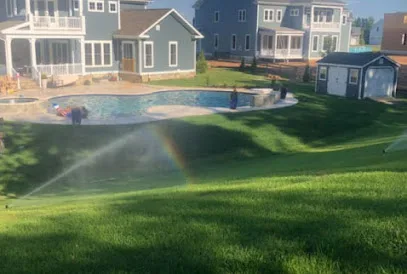
When you call a sprinkler company after a winter, the real goal isn’t “sprinklers that look fine.” It’s water delivery that matches your controller schedule—zone by zone—with valves and lines protected from freeze damage. W.L. Toomey is a Massachusetts irrigation contractor focused on automatic in-ground sprinkler systems, with offices in Woburn and Chelmsford and service across the Greater Boston and Merrimack Valley areas. If you’re booking work with them at 3 Bonnie Way, Woburn, MA 01801 (781-937-0552, http://www.toomeyirrigation.com/), use this scoping approach to make the inspection and seasonal tasks measurable.
Start by separating winter protection from spring verification
Homeowners often blend these two phases into one “winterization” request. Instead, ask for deliverables that cover both freeze protection and spring verification. Winter protection is what prevents damage during the cold months—especially to valves, fittings, and buried sections of irrigation pipe. Spring verification is what confirms the system performs the way it should when temperatures rise.
A strong winterization appointment will include what they check and how they confirm it’s done correctly. A strong spring start-up appointment will include what they test at the controller and field level (not just that “the heads pop up”). This distinction is the difference between a system that survives winter and a system that waters correctly afterward.
Demand zone-and-valve scope, not “general sprinkler repair”
For a one-off fix, “sprinkler repair” can be too broad. Before work starts, translate your symptom into zone-and-valve facts: which zone acts up, whether coverage changes, and whether the issue is timing-related (controller behavior) or delivery-related (valves/flow).
During fall service, ask how they handle valve-related risks. During spring service, ask how they verify each valve cycles properly and that each zone delivers the intended flow. If you have leaks or recurring pressure changes, request that the plan includes leak detection and valve checks as part of the seasonal workflow—not as an optional add-on.
Ask about backflow readiness as part of the seasonal plan
Backflow is easy to overlook until there’s a compliance problem or a sudden need to test. If your system includes a backflow device, ask how it factors into their winter-to-spring plan. The key is to clarify whether they perform backflow testing/certification as part of scheduled service or whether it’s handled separately. Either way, you want it on the calendar early enough that spring startup doesn’t get delayed.
In Massachusetts, freeze-thaw cycles can affect irrigation components, so backflow readiness should be part of your “verification” step—not an afterthought when issues show up.
Use a controller question to reduce guesswork
Your irrigation controller drives what valves open and when. If zones misbehave, the cause can be wiring, controller configuration, or a field delivery issue. To avoid paying for repeated visits, ask the crew what they check for controller and programming accuracy during spring start-up. If they can document what settings or behaviors they verified (and what they adjusted), you’ll be able to confirm results after the appointment.
Get clarity on coverage expectations and water-saving upgrades
If you’re concerned about water use, you may be considering a smart-controller or other water-saving approach. W.L. Toomey’s official information highlights work around automatic in-ground sprinkler systems and seasonal service. If you’re also thinking about controller upgrades, ask how they evaluate your existing zones and what data they use to confirm improved efficiency.
Before approving any upgrade, connect it to the outcome you care about: consistent zone performance and correct run times that match your landscaping. The most useful upgrade is the one that improves control without creating new zone timing problems.
What to ask on the phone before the technician arrives
To keep the scope tight, you can prepare a short script:
1) “For winterization, what exactly do you do to protect valves, fittings, and lines?”
2) “For spring start-up, how do you verify each zone and valve cycles correctly?”
3) “Is backflow testing included in your seasonal plan, or scheduled separately?”
4) “If a zone fails after startup, what’s your troubleshooting path—controller behavior first or field flow first?”
When the answer is specific, your appointment is more likely to produce the result you want: a sprinkler system that survives winter and waters predictably in spring.