When a sprinkler system starts feeling “almost right,” the biggest risk is approving a generic scope that doesn’t match what’s actually failing. For property owners in Portland, Maine, ALC Property Services provides irrigation install & service—including spring startup and fall blowout—so the scope should fit the system’s current symptoms, whether you’re looking at winterization, sprinkler repair, or both.
This decision guide is designed to help you translate what you’re seeing—like uneven coverage, leaks, or controller-related behavior—into the work a contractor can price accurately. It also reflects ALC’s published seasonal approach: they describe seasonal maintenance plans that include spring startup with adjustments and fall blowout with the system shut down for winter, along with checks for any needed repairs.
Start by documenting what each zone is doing right now
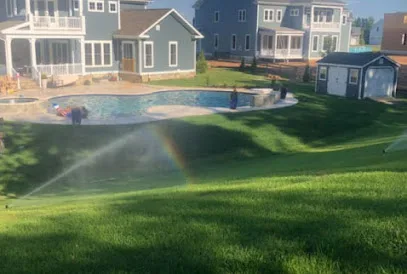
Instead of treating the system as one issue, treat each zone like its own problem. Pay attention to how the controller runs and what happens during operation. Symptoms that often point to a need beyond routine seasonal service include sprinkler heads that don’t pop up, uneven spray patterns that don’t match irrigation coverage, zones that run but produce weak flow, and wet spots that appear around the system during runtime.
If your goal is accurate winterization, it matters that problems aren’t ignored before fall. Leaks or partially clogged components can worsen as temperatures shift, so the scope should reflect any active issues—not just the calendar.
Use location and pattern to separate repair needs from seasonal shutdown
Some clues help you talk in concrete terms with a contractor. If you notice water pooling near a valve box, repeated puddling in the same area, or visible damage around risers and heads, the quote should likely include sprinkler repair diagnostics. Likewise, if one zone repeatedly underperforms while other zones operate normally, that often suggests a head/nozzle issue, a riser problem, or a valve-related concern rather than a simple seasonal shutdown task.
What “winterization scope” should include in a Portland, ME quote
Winterization isn’t a single step you can apply without regard to how the system is set up. In climates like Maine, winterization includes shutting the system down and managing water so components are protected before freezing conditions. ALC Property Services describes the fall process as turning off the water to the system and blowing it out for the winter, and then in spring turning the system on, making adjustments, and checking for any needed repairs.
When reviewing a winterization proposal, confirm that the plan is built around those season-specific steps and that the contractor will verify the system is actually shut down appropriately for winter—not just scheduled for a date on the calendar.
When it makes sense to handle irrigation repair before winterization
In many cases, fixing active problems first leads to a cleaner seasonal outcome. If you’re seeing leaks, persistent low-pressure zones, heads that fail to operate, or consistent underperformance in one area, repair work should come before or as part of the winterization plan. That way, the system doesn’t enter winter with problems that can leave trapped water or worsen with time.
ALC’s published maintenance framing includes spring startup with adjustments and checks for needed repairs. The same principle applies in reverse: a system that has failed components often needs those issues addressed so the seasonal process doesn’t mask the underlying failure and create repeat call-outs later.
Smart scheduling and controller behavior can change the scope conversation
If your system uses a smart irrigation setup or Wi‑Fi scheduling, performance problems may not be purely hardware. ALC notes that they install smart irrigation systems that adjust in real time to forecast conditions and can be remotely monitored and adjusted. If zones are skipping, running at unexpected times, or acting inconsistently, discuss controller and programming troubleshooting as part of the evaluation—because sometimes the “problem” is scheduling logic rather than a broken sprinkler component.
To help separate hardware from programming concerns, describe what you observe in terms a contractor can test: “this zone under-sprays,” “this head won’t pop up,” “this valve box area shows wet soil during runtime,” or “the controller schedule seems off.” Those specifics make it easier to distinguish valve/solenoid issues, head and nozzle problems, water supply flow limitations, or programming-related behavior.
Coordinate winterization and repair with the right Portland contact details
Before you schedule, you can share your zone symptoms and ask how ALC will structure the scope. For reference, ALC Property Services lists 68 Bishop St 3 Office 6, Portland, ME 04103, and phone +1 207-615-9112. Official details are available at https://www.alcmaine.com/contact-us/. Use those details to confirm current scheduling and service availability.
To keep your quote accurate, ask for a written explanation of what’s included in the winterization portion (including fall blowout and the water shutoff steps described by ALC) and what’s included in the repair side (what will be tested or inspected for the symptoms you’re seeing). If repairs uncover additional issues, ask whether those repairs are handled during the same visit or require separate approval.
By matching zone-by-zone observations to clear scope questions, you’re more likely to get the right winterization timing—and the right irrigation repairs—without paying for work that doesn’t address what your system is doing.