When a lawn sprinkler system starts acting up, “sprinkler repair” can mean anything from a straightforward valve fix to an issue that only shows up when the system runs on a specific schedule—or even water escaping after the valve or in the ground. If you’re working with Anderson Irrigation LLC in Farmington, CT, scoping the problem based on system behavior helps you request the right kind of troubleshooting and keeps the estimate tied to evidence.
Use the pattern you see: zone behavior, valve signals, and controller changes
Before you call, pay attention to how the system behaves when it runs:
One zone fails while others run normally usually points the conversation toward that zone’s supply path—such as sprinkler heads, wiring/solenoids, or the valve set for that zone.
Multiple zones misbehave together often suggests something shared, like controller programming, common wiring, or water pressure effects at the manifold area.
Behavior changes with schedules (wrong days/times, runtime that doesn’t match what you programmed, or unexpected start/stop patterns) is a strong signal to prioritize controller settings and verification before anyone assumes hardware replacement.
This is the core of a good scope request: repairs are easier to estimate when you’re asking the contractor to target a specific component category based on what the system is doing.
Match the repair scope to what the evidence suggests
Sprinkler repairs stay clean and predictable when the cause is isolated. They get more complicated when the contractor must determine whether water is leaking after the valve, whether the heads are distributing properly, or whether coverage problems are tied to clogged or failing components.
When you describe symptoms, you’re helping the contractor structure troubleshooting and explain what’s included in the price. Useful symptom categories include:
- Valve-related symptoms: a zone that never starts, won’t fully shut off, or cycles inconsistently.
- Head/coverage symptoms: uneven spray, clogged nozzles, sprinkler heads that pop up weakly, or dry patches where you’d expect consistent coverage.
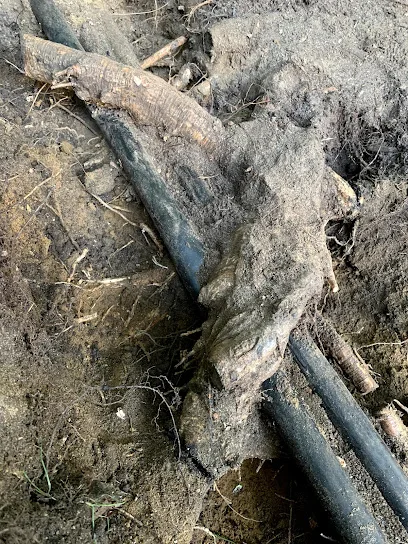
- Underground leak suspicion: soft or unusually wet spots, persistent runoff, or pressure drops that don’t line up with the scheduled watering duration.
If you’re not sure which category applies, it’s still valuable to tell the contractor what you’ve observed—so they can confirm the pathway of failure during the visit instead of guessing.
Ask what “included testing” means for your system
At the quoting stage, don’t just ask what they’ll replace—ask what they’ll verify. A well-scoped sprinkler repair discussion should cover how they check zone operation at the controller, valve operation at the manifold area, and irrigation output at affected heads before assuming replacement is required.
Requesting this upfront gives you a clear basis for comparing estimates and helps ensure the scope stays focused on the troubleshooting evidence rather than expanding automatically.
Timing matters: repair goals can shift with freeze risk
If you’re scheduling irrigation work during shoulder season or colder periods, freeze risk can change what’s most important to address first. A good contractor should help you separate the work needed to stop active failures from the seasonal protections that reduce the chance that next cold snaps turn a current fix into a repeat problem. In your call, ask how the timing of the work connects to local freeze conditions and whether any seasonal planning should be reflected in the scope.
What to share with Anderson Irrigation LLC when you call
To move quickly with Anderson Irrigation LLC, use the Farmington-area details available publicly: 5 Eastview Dr, Farmington, CT 06032, United States and +1 860-674-9972. The service focus listed is Sprinkler Repair Specialist. Then add system-specific details so they can scope troubleshooting effectively:
- Your symptom pattern (which zones, which times, and what changed).
- Visible signs (wet spots, pooling, heads not popping up, broken risers).
- Any steps you’ve already tried (for example, controller adjustments or schedule resets).
- Any water-use concerns (higher-than-usual runoff or unusually high bills).
Finally, confirm the scope boundaries: what they will repair, what they will test during the visit, and what evidence would trigger additional work.
A short way to ask for a properly scoped estimate
You can use a simple script that ties symptoms to troubleshooting. For example: “Based on how my system behaves, which component category will you troubleshoot first—controller settings, the zone valve at the manifold, wiring/solenoids, or the heads—and what will you verify during the visit before recommending repairs?”
Decide based on evidence, not guesses
When sprinkler repair estimates are built around confirmed system behavior—zone patterns, controller-related changes, and what the contractor verifies at the controller, manifold, and heads—you’re more likely to get a practical repair plan. For homeowners in the Farmington area, that structured approach with Anderson Irrigation LLC helps the scope stay aligned with what your irrigation system is actually telling you.