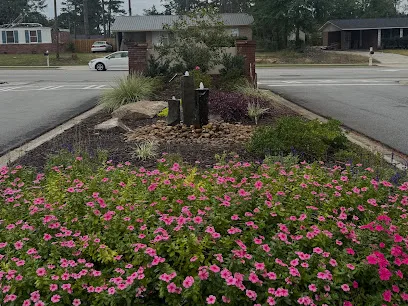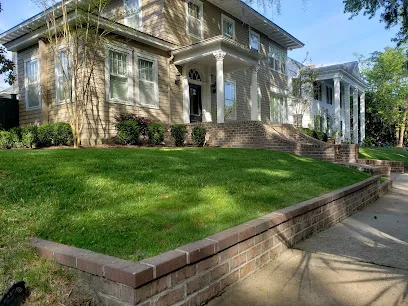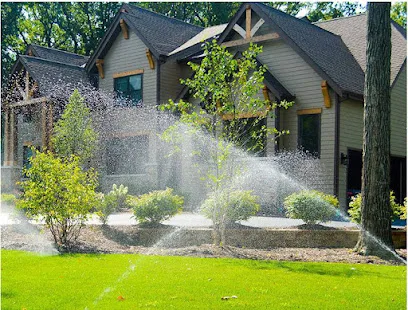
A practical irrigation zone groups areas that can be watered in a similar way while staying within the system’s available flow and pressure. That usually means starting with the landscape, then checking whether the sprinkler layout can support the grouping. Equal-sized sections on a map may have very different sun, soil, plants, or slopes, so dividing a yard into equal pieces is rarely the most useful first step.
Start with the landscape’s different water needs
Walk the property and note where the landscape changes. A sunny lawn, a shaded side yard, a bed of shrubs, and a vegetable garden do not necessarily use water at the same rate. Plant type matters, but so do exposure and ground conditions: sun and wind can dry an area faster, while shade can slow moisture loss. Soil also affects how quickly water enters the ground, and a slope can send water downhill before it has time to soak in.
These differences matter because one zone is generally controlled as a group. If thirsty turf and a bed that needs less frequent watering share a valve, adjusting the schedule to suit the turf may leave the bed too wet. Setting the schedule for the bed may leave the lawn short of water. Separating areas with substantially different needs gives the system more flexibility without requiring every plant or patch to have its own zone.
Look for meaningful boundaries rather than small cosmetic differences. A narrow strip of lawn with the same sun and soil as the adjoining turf may fit the same zone if the sprinkler coverage works. A planting bed next to that lawn may merit a separate group because its plants and watering method differ. The aim is to avoid a recurring mismatch, not to maximize the number of valves.
Account for the system’s capacity
Landscape logic alone cannot determine whether a zone will operate well. Flow is the volume of water available over time; pressure is the force that moves water through the pipes and out of sprinkler heads. Each outlet uses part of the available flow, and the system must also maintain suitable operating pressure for the equipment it serves. The useful zone size therefore depends on both the water supply and the particular heads or emitters connected to it.
When too many outlets operate together, the demand can exceed what the zone can supply. Sprinkler heads may not reach or distribute water as intended, creating weak or uneven coverage even though every head turns on. Conversely, dividing one group into additional zones can reduce the outlets running at once, but only if the system has a workable way to control those zones and the supply can serve them over the full schedule. Adding a boundary on paper does not create additional water capacity.
For an existing system, compare what is installed with how the zone behaves. A zone that combines different landscape needs presents a scheduling problem; a zone whose heads perform poorly together may point to a capacity or layout problem. Those are related but not identical. A proposed redesign should account for the water demand of the connected equipment and the available supply, rather than assuming that fewer heads per zone will automatically solve every coverage issue.
Turn a yard sketch into a zone plan
Draw a simple property map and mark the house, lawn edges, planting beds, trees, slopes, and other boundaries that affect watering. Add the existing sprinkler zones if you know them, then label the areas that have different plants, sun exposure, or soil. The sketch does not need to be a construction drawing; it is a way to see whether a valve serves areas that have unlike needs or whether one landscape area is split without a clear reason.
Consider a hypothetical yard with a sunny front lawn, a shaded planting bed, and a sloped strip of turf. The lawn and sloped strip may share a plant type but behave differently: water can run off the slope sooner, so simply applying the front-lawn schedule may not suit it. The shaded bed differs in both planting and exposure. On the sketch, mark these distinctions and compare them with the existing zone boundaries. That reveals which groupings deserve closer review; it does not, by itself, determine exact run times or guarantee that a proposed layout will fit the system’s capacity.
Next, note where each zone’s water goes. Heads that spray across a sidewalk or onto a bed with different needs may indicate that the boundary, head placement, or equipment choice deserves attention. Keep the observation attached to its location on the map. A clear note such as “the east bed shares a valve with the sunny lawn” is more useful for discussing a layout than a general impression that the yard needs more zones.
The Entech Irrigation LLC detail page has listing information; the company’s official website reports that it permanently closed in June 2026 and no longer schedules service calls.