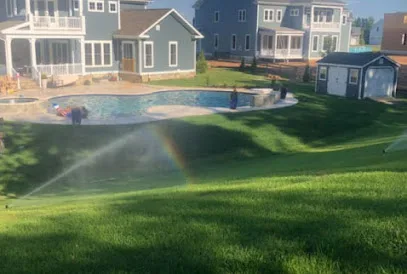
When a lawn sprinkler system starts acting “almost right,” the repair scope can swing fast. With Let It Rain Lawn & Sprinkler, the key is to describe your system in hardware terms—coverage, zone behavior, and whether the issue repeats—so you get an estimate tied to the real cause rather than a guess.
Located at 23 Davenport Ave, Greenwich, CT 06830, United States and reachable at +1 203-622-7275, this sprinkler-focused shop is listed as a Sprinkler Repair Specialist. The smarter way to plan your call is to match what you see in your yard to the likely irrigation component.
Start with symptom patterns: what your zones are (and aren’t) doing
Before you request service, watch the system through at least one full scheduled run and note the pattern. Uneven coverage usually points toward a sprinkler head or nozzle issue; a whole section that never comes on suggests a valve, controller output, or wiring problem.
Try to answer these quick, system-language questions in your message: Does the affected zone skip entirely, run at reduced pressure, cycle on/off repeatedly, or spray water in an unexpected location? Do the problems happen only on specific days or seasons, or every time the same zone runs? Those details help narrow whether the repair is primarily at the head/rotator level or deeper in the irrigation valve and control layer.
Valve-box realities: why “it won’t run” often means more than a clogged head
In many irrigation setups, the valve is the gate between your controller and the lawn. If a zone is silent—no water and no spray—you’ll want the technician to inspect the valve-box first. That inspection typically includes verifying electrical actuation (for electrically controlled valves), checking for signs of moisture or corrosion, and confirming proper operation across the zone’s run.
This is where a written scope matters. Ask whether the service is expected to include valve testing, valve replacement, or adjustments to how the zone is programmed. If the tech plans to replace hardware, request that the quote clearly distinguishes parts versus labor and specifies the affected zone number(s).
If water pressure seems “wrong,” ask how they’ll check it
Reduced flow and pattern changes can happen when nozzles wear, when heads aren’t matched to the space, or when the system’s pressure is off for the zone. When you call Let It Rain Lawn & Sprinkler, mention whether the rest of the yard looks normal during the same run. If only one zone under-performs, it’s more likely a localized irrigation component than a whole-system issue.
Backflow and irrigation water management questions to include early
Lawn irrigation isn’t just about getting water onto turf—it’s also about safe water management. If your system includes a backflow prevention device, ask whether the repair visit will involve verifying it as part of troubleshooting. Even when the visible symptom is a sprinkler head or valve, technicians may need to confirm correct upstream operation to avoid chasing the wrong problem.
When you request service, include any observations like unusual water sounds, leaks around control valves, or persistent pressure changes. That helps separate “a single failing zone component” from “an irrigation water management concern” that may affect multiple parts of the system.
Get a tighter estimate by scoping what you want fixed (and what you don’t)
To keep your irrigation repair quote accurate, be explicit about boundaries. For example: do you want the affected zone(s) restored to normal coverage only, or do you want a wider system check for wiring/controller settings and related zones?
Also ask what you should expect during the visit. Will they test the controller output and verify correct operation before replacing parts? Will they plan to adjust sprinkler heads for coverage issues, or is the expected work purely repair-level replacement? If you’re dealing with winterization concerns later in the year, note your timing so the repair plan can align with the season.
What to ask when you call
Use a short call script: “My sprinkler system skips/repeats/runs unevenly on zone ___. Can you confirm whether the repair is likely heads, valves, wiring/controller, and whether you’ll also verify backflow as part of the troubleshooting?” If you can, share a photo of the zone area and any visible valve-box access.
With the right symptom details and a clear scope request, sprinkler repairs become much easier to compare—and your irrigation system has a better chance of running reliably after the work is done.