If you’re dealing with a sprinkler or irrigation issue in Stamford, CT, the fastest way to get to the right fix is to describe the system in terms contractors can map to hardware: which zone, what the heads are doing, and where the water is (or isn’t) going. This matters even more around winterization, when small mistakes can lead to broken components after the freeze.
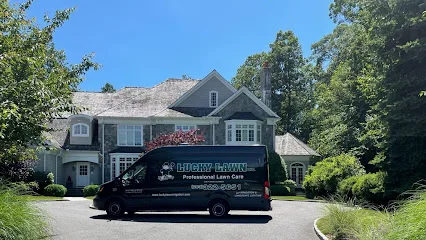
Lucky Lawn (3 Ryan St, Stamford, CT 06907) is listed as a sprinkler repair and winterization specialist, and their website highlights in-ground irrigation service and maintenance for properties in the Fairfield/Wilton area. Phone: +1 203-491-1680. Website: http://luckylawnllc.com/. Use the points below as a “scoping script” for your call, so your next steps—and your quote—stay tied to what your lawn system is actually doing.
Start by sorting the symptom: zone, valve, or distribution
Before you call, write down three observations. First: does the problem happen on one zone or many? Second: are the heads staying retracted or popping up inconsistently? Third: do you see wet spots, low flow, or dry areas at the same time every run? Those patterns usually point to a single category of fault—controller programming, a valve issue, or delivery/coverage problems—rather than “random” sprinkler damage.
For example, if only one zone won’t irrigate, you’re often dealing with that zone’s path (valve/actuation, wiring, or clogged delivery). If multiple zones run but coverage is weak, it can be a pressure/flow issue that affects the whole irrigation layout. When you can say “Zone 3 has no pop-up and the ground near the valve box stays dry,” you help the contractor size the diagnostic work correctly.
What to capture during a diagnostic run (without guessing)
Bring real evidence, not assumptions. If you can safely access them, check the valve area and note whether the valve box cover is wet, muddy, or dry during operation. Look at head behavior: are pop-ups stuck, tilted, or missing spray arcs? If you use a controller schedule, note what changed—did the start time, rain-sensor behavior, or manual test trigger the problem?
Also mention any signs of past repairs. In-ground systems often “fail” in the same way when a previous component (a riser, a check valve, or an elbow) is stressed by seasonal cycles. Even a simple log like “this began after I noticed one head lower than the others” can steer the quote away from unnecessary replacement.
Winterization scoping: what “shutoff” should include
When the temperature drops, winterization isn’t only about turning the system off. Ask your contractor to explain how they plan to protect the irrigation lines and components from freeze damage. During your call, confirm which zones will be included and how they verify that each zone is properly handled for the seasonal shutdown.
On a winterization call, you’ll get better quotes when you share what kind of system you have (for instance, whether the property uses multiple zones with different head types) and whether any heads or valve boxes are already compromised. If you have a history of leaks or repeated valve-area wetting, flag it up front—those clues affect what might need repair before shutdown.
Backflow and water-management questions to ask early
Many irrigation issues intersect with water-management concerns, especially when contractors review system performance and shutdown behavior. Even if you don’t know the technical terminology, you can still ask a grounded question: “Will you include a review of how water is managed at the connection point as part of this plan?” This keeps the conversation from becoming a heads-only replacement versus a system-level fix.
When you discuss your goals, be specific about the outcome you want: stable spring startup, fewer broken heads, and consistent coverage. A contractor’s response should tie back to your observations (zone behavior, valve-area clues, and seasonal timing) rather than a one-size narrative.
How to evaluate whether the quote matches the scope
After Lucky Lawn or any irrigation contractor gives a proposal, look for clarity in three places. First, does the scope list the zone(s) or components tied to your symptoms (for example, a specific valve or head set)? Second, do they explain what the diagnostic found and what evidence supports the repair plan? Third, do they describe winterization steps for the zones included, and what you should expect before the shutdown date?
If any of those points are missing, request a plain explanation: “What are you assuming my system will need?” A trustworthy quote usually makes the assumptions visible and keeps the work aligned to your documented zone and coverage observations.
For Stamford homeowners preparing for colder weather, the most reliable approach is to treat sprinkler repair and winterization as a structured troubleshooting conversation. Use your notes to connect symptoms to system parts, confirm the winter shutoff plan zone-by-zone, and ensure the proposal reflects the same story your lawn system is telling.