When one sprinkler zone stays off, start by running that station manually at the controller and watching both the controller and the sprinklers. That simple comparison helps sort a schedule problem from a fault affecting one zone or a shared part of the irrigation system. Check what happens before replacing parts: the same symptom can come from settings, wiring, a valve, or an upstream water supply.
Start with a controlled manual test
Select the affected station and start a manual run long enough to see whether water reaches its heads. Note the controller’s response, whether the zone begins watering, and whether you hear or see anything unusual. A controller that accepts the command but produces no water gives you a different starting point from one that does not respond to the station selection.
Next, run a station you know works. Keep the observations distinct: does the controller operate normally, does the comparison zone receive water, and is the failure limited to one station? For example, if station three runs manually but station four does not, the evidence points toward the path specific to station four. If neither runs, the issue may be broader than one zone. A single test will not identify a failed component by itself, but it establishes the scope before you investigate.
If manual operation works, inspect the station’s program
A zone that runs manually but misses its usual watering time may be sound mechanically while its schedule is misconfigured. Many controllers separate station settings by program, so check the exact program that is supposed to water that area rather than assuming one setting applies everywhere.
Look at the station’s assigned program and confirm its run time is greater than zero. Then distinguish the program start time from the station duration: a start time launches the programmed sequence, while the run time sets how long an individual zone operates within it. A correct duration does not help if the station is assigned to a different program that never starts.
Review the selected watering days and any rain-delay or sensor setting that may pause scheduled operation. These settings can explain why a manually started zone works even though an automatic cycle skips it. Change only the setting that does not match the intended schedule, then observe the next programmed cycle rather than altering several unrelated settings at once.
If one station fails manually, follow its control path
When a working station runs but the affected one does not, focus on the connection from that controller station to its valve. With the controller powered off as directed by its manufacturer, look for an obviously loose station wire at the terminal and compare its labeled position with the working station’s wiring. Avoid swapping wires as an initial test: it can change which station the controller activates and make the original fault harder to trace.
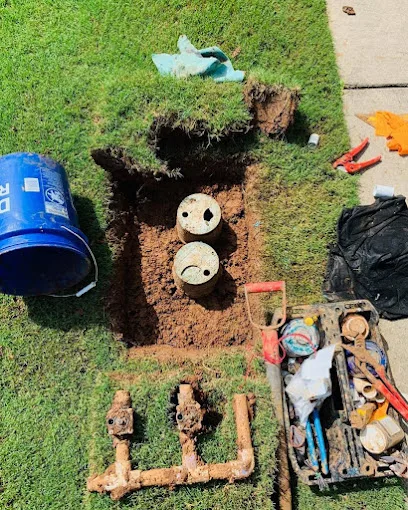
The valve’s solenoid, the control wiring, or the valve mechanism may be involved if the zone still does not open. A solenoid is the electrically operated part that moves the valve when the system calls for water. The controller display can show that a station was selected, but the inspection must still distinguish a signal or wire problem from a valve that does not open. A visible problem near the valve box may help locate the next check; tracing buried wiring or taking apart a valve calls for appropriate tools and experience.
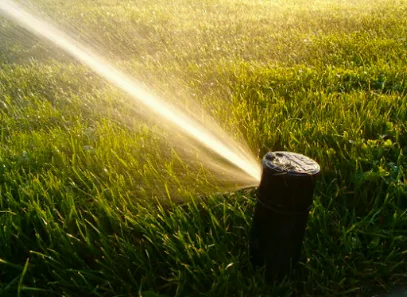
Notice what the sprinklers do during the test, too. If the valve appears to open but the heads remain dry, the question shifts from scheduling toward whether water is reaching that zone. If only some heads operate, that is a different symptom from a completely inactive zone and should be recorded separately.
If several zones fail, consider shared equipment
Several stations failing together changes the likely scope of the problem. If the controller will not operate any station, first see whether its display and controls respond as expected; a power or controller operating issue can affect the whole system. If the controller responds but multiple zones remain dry, look beyond an individual station toward components shared by the irrigation supply, such as a shutoff or master valve, or a pump on systems that use one.
Separate “the controller did not start” from “the controller started but water did not arrive.” That distinction helps narrow the next inspection without assuming every property has the same layout. For a local repair contact, see Irrigation Repair of Charlotte. The useful dividing line is whether the fault follows one station or appears across the system: that observation determines whether to keep tracing a zone’s settings and control path or examine shared operation.