Usually, no: the arrival of spring is not, by itself, a reason to restore last summer’s sprinkler schedule. The useful question is whether the soil and plants need supplemental water now. A schedule that made sense during hotter, drier weather may run too often in a cool, rainy stretch, while a single property can contain zones that need very different treatment. Begin with conditions on the ground, then adjust the controller by zone.
Let soil and weather set the first watering decision
Check moisture in the root area rather than judging only by the lawn’s surface color or the calendar. Surface soil can dry quickly while deeper soil remains damp. A small hand trowel can help you inspect below the surface in a lawn or planting bed; avoid disturbing roots or buried irrigation components. If the soil where roots are growing is still moist, another scheduled run may add little. If it is dry, that is a more useful reason to consider watering than the fact that a spring date has arrived.
Recent rainfall and the near-term forecast matter because a controller’s fixed schedule cannot respond to every passing shower. Think about whether rain actually reached the area in question: a sheltered bed, a roof overhang, or a spot beneath dense foliage may receive less than an open lawn. Conversely, low areas may remain wet after rain has drained from nearby ground. Those differences can make one automatic setting a poor fit across the whole property.
For a simple spring decision, look at the root-zone moisture, what the weather has already supplied, and whether plants show a genuine need for irrigation. If the ground is wet and more rain is expected, leave the summer program off or reduce it rather than watering just because it is saved in the controller.
Set runtimes for the plants and areas in each zone
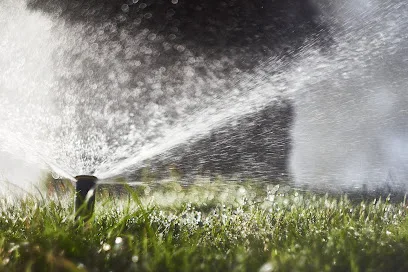
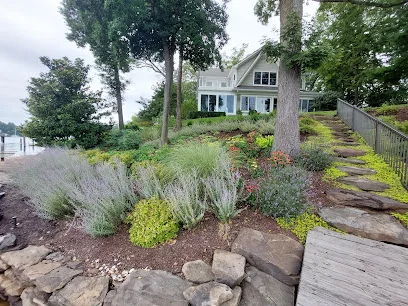
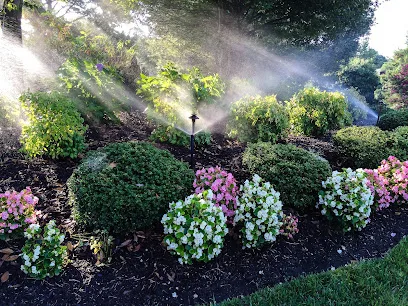
A sprinkler zone is a group of outlets operated together by a valve. Its schedule works best when those outlets serve areas with broadly similar watering needs. Lawn, shrubs, and planted beds do not necessarily use water at the same pace. A lawn zone may run spray heads, while a bed has drip tubing or different exposure to sun and wind. When distinct planting areas share a zone, the controller cannot give each area an independent runtime; that limitation is a reason to be observant about the results, not to assume one summer setting suits them all.
Last summer’s schedule can be a reference point, but spring growth and moisture conditions are different inputs. Start with less runtime or fewer watering days than the hotter-season program if current conditions indicate less demand, then pay attention to how the specific area responds. A recently seeded patch, an established lawn, and a bed of established shrubs are not interchangeable examples. Plant type, rooting depth, shade, soil, and exposure all affect how quickly an area dries.
Richmond homeowners looking for local sprinkler information can find Miller Irrigation & Landscape Lighting.
Use shorter cycles where water runs off
Changing a controller’s total runtime is only one way to alter watering. On a slope or in soil that takes water in slowly, a long uninterrupted cycle can send water downhill or across the surface before much has soaked into the root area. In that situation, divide the intended watering time into shorter cycles with a pause between them. The pause gives water time to infiltrate before the next cycle begins.
Watch the ground while a zone runs. Water visibly moving away from the area, collecting at the bottom of a slope, or flowing toward a sidewalk suggests that the delivery pace may exceed what that spot can absorb. Shorter cycles can help manage runoff, but they do not fix every cause: a poorly aimed head, a damaged component, or a drainage issue can produce a similar visible symptom. The key is to distinguish water that is soaking in from water that is leaving the intended area.
As an illustration, imagine a lawn strip on a slope where a long run leaves a wet line near the curb while the upper area remains dry. Simply adding more minutes could worsen the runoff. Short cycles and a pause may give the upper soil more opportunity to absorb water; if the pattern remains uneven, the head coverage or system condition may need attention.
Adjust one zone at a time as spring changes
Make a change to one zone, then observe the next run before changing several parts of the program. Look at whether the intended area received water, whether dry patches remain, and whether water pooled or flowed away. That comparison helps connect a controller adjustment to an actual result. If several zones are changed simultaneously, it becomes harder to tell which adjustment helped or created a new problem.
Spring is a moving target: rainfall, temperatures, plant growth, and shade change over time. A program that was reasonable after a dry spell can become excessive after repeated rain, and a shaded bed may dry more slowly than an exposed lawn. Revisit the schedule when those conditions meaningfully change instead of treating one spring setting as permanent. The useful outcome is not a particular number of minutes; it is a zone-by-zone program that reflects the current landscape and delivers water where roots can use it.