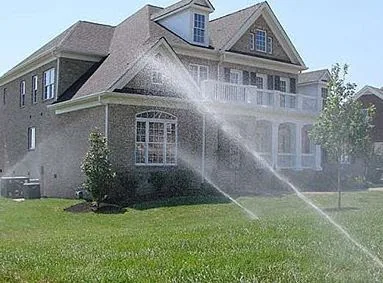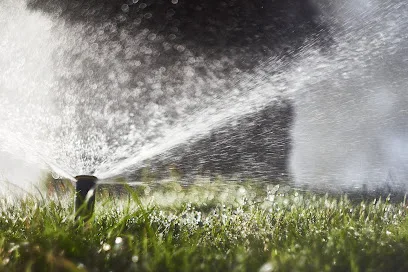
When one sprinkler zone fails but the rest run normally, start by looking at that zone’s command and valve, then note whether the problem affects every head or only part of the lawn. A single-zone failure often gives you a useful boundary: the shared water supply and controller may still be functioning, while something in that zone’s control or water path needs attention. The pattern is a starting point for troubleshooting, not a diagnosis by itself.
First isolate whether the fault is local to one zone
Run the affected zone and a known-working zone separately. If the working zone operates as usual while the affected one does not, focus your observations on the affected zone’s control, valve, and downstream piping. If several zones fail together, widen the view to equipment or supply they share rather than assuming several individual heads failed at once.
Next, look across the affected zone. If every sprinkler head is dry or weak, the cause is likely to involve something common to that zone, such as its command, valve, or water path. If some heads spray normally and others do not, the broad system is delivering water, so compare the affected outlets and the portion of the zone they serve. For example, if the heads near one edge work but a group farther along stays dry, that distribution pattern is more informative than simply reporting that “the sprinklers are broken.”
Note whether heads rise and whether the symptom changes while the zone runs; that timing can help distinguish an intermittent response from a consistent failure.
Test the controller command before changing the schedule
Use the controller’s manual-run function to start the affected zone deliberately. Check that you selected the intended zone and that the display indicates it is active. This simple comparison separates a possible programming issue from a failure that remains when the controller is asked to run the zone directly.
If manual operation works but the normal programmed cycle does not, review the schedule settings that govern that cycle: the selected start time, watering days, and zone run time. A controller may have multiple start times or schedules, so check which program is actually assigned rather than changing unrelated settings.
Use valve behavior to narrow the control or valve fault
The zone valve is where a controller command is translated into water flow. Locate the valve associated with the problem zone, if it is accessible, and observe what happens as the controller starts that zone. No apparent response can point toward several possibilities, including the command reaching the valve, its wiring or solenoid, or the valve mechanism itself. A sound or click may show a response, but it does not identify which component is working correctly.
Basic observation can narrow the description, but electrical testing and valve disassembly go beyond checking the controller display. A technician can test the circuit and inspect whether the valve opens and closes as intended.
Read the water pattern and describe the symptom clearly
If the valve appears to open but all heads in that zone receive little or no water, attention shifts toward a restriction or another problem in that zone’s supply path. If only one area or a few outlets are affected, the branch or individual outlet serving that area becomes more relevant. The observed pattern cannot name a failed part with certainty, but it helps distinguish a zone-wide flow problem from a localized distribution problem.
Before arranging repair, record the zone number, whether manual operation starts it, what the controller displays, which heads operate, and whether you see an unusually wet patch or visible damage. A concise record gives the next person a sequence to investigate instead of a broad report that the lawn is dry. The Irrigation Professionals is one local business to consider when arranging irrigation repair.