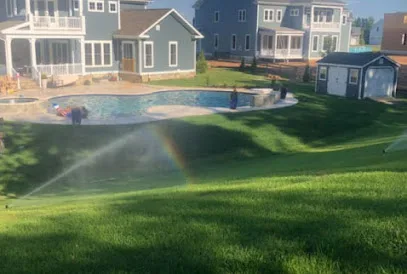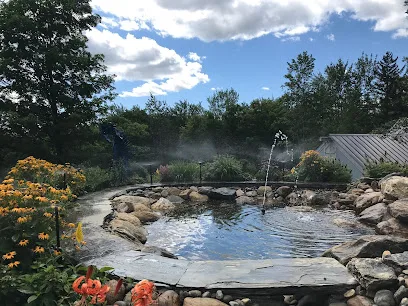
When your lawn sprinkler system starts acting up in fall—water spraying where it shouldn’t, zones that won’t follow the schedule, or pipes that seem to hold water too long—the right first move is usually a decision between sprinkler repair and winterization. If you handle the wrong problem at the wrong time, you can carry damage risk into the cold months.
For homeowners around 151 Jasper Mine Rd, Colchester, VT 05446, Vermont Irrigation Inc. positions itself around seasonal start-ups and winter shutdowns, along with service for sprinkler and irrigation components. Their public information also notes that they install plumbing connections and backflow preventors, and that they provide system walkthroughs after work is complete.
Start with the symptom: what’s failing—performance, or freeze protection?
Not every problem you notice in late season is a “repair it right now” emergency. A practical way to think about it is: are you seeing a pattern that affects how the system performs when it’s running, or are you seeing signs that it’s not being prepared correctly for winter?
Common sprinkler repair indicators include repeatable misbehavior from the same zones—such as heads that won’t pop up, uneven spray arcs, or sections that behave differently every time the controller starts them. In that case, repair helps the system function properly, and it can also reduce ongoing water waste that you’d otherwise keep paying for through the season.
Common winterization indicators include water that can remain in the system when temperatures drop, especially if you’re planning to shut things down for the winter. Vermont Irrigation’s website explicitly describes the importance of keeping the system void of water during winter to help prevent pipes, heads, and valves from freezing and fracturing.
Use “zone evidence” to decide how much repair you need
Before scheduling anything, get clarity on what is truly failing. Even if you end up doing both repair and winterization, zoning evidence can help you prioritize.
Look for repeatable zone behavior
If one zone consistently under-sprays while others look normal, you’re likely dealing with a specific head, clogged nozzle, damaged riser, or a valve/control issue. That’s a stronger case for repair-first.
Check for plumbing-type clues
If multiple zones show odd behavior around the same time, or if pressure feels off across the system, you may be looking at a broader irrigation pathway issue. That can influence whether the winter plan should be paired with a deeper system check.
Ask about backflow and the system “control plan” before the freeze season
A sprinkler system isn’t only about the heads. It’s also about the valves, plumbing connections, and water management devices that determine what happens when the controller runs—or when it’s supposed to be dormant.
Vermont Irrigation’s website states that their process includes installing plumbing connections and backflow preventors. If your property has any irrigation plumbing with backflow protection, confirm how it factors into the seasonal plan—because winterization and component repairs often need to be coordinated so the system is treated as a complete assembly, not isolated parts.
When you call, you can ask whether the technician will review your automatic controller, confirm rain-sensor behavior (if installed), and explain any changes to how zones should be operated during start-up and shut-down.
What “spring start-up readiness” should look like
A smart winter plan isn’t only about not breaking things in January—it’s about getting consistent performance in spring. Vermont Irrigation describes offering spring start-up services so your system is ready for summer, including turning on the system and checking components.
That means your fall decision should consider how your system will be tested after winter. If repairs are needed, it’s often easier to address them before the system goes into long-term freeze conditions. If everything looks stable, winterization preparation helps ensure you don’t restart the season with trapped water or compromised components.
If you’re trying to make this decision quickly, use this simple framing: repair first when you can point to repeatable sprinkler zone problems, and winterize first when the bigger risk is freeze damage from water retention. Either way, documenting what you observed and coordinating service around seasonal timing usually leads to a cleaner outcome.
For reference, Vermont Irrigation Inc. is reachable by phone at +1 802-893-3909 and lists its official website at http://www.vermontirrigation.com/. Before booking, ask them how they sequence repairs, winterization, and spring start-up so your sprinkler and irrigation system is protected end-to-end.