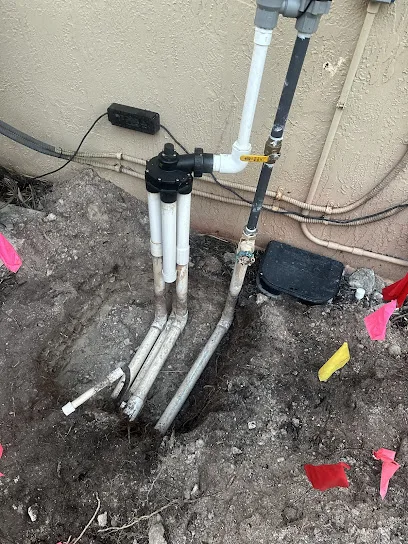
When one sprinkler zone delivers less water than the others, compare the pattern before replacing parts. Weak output at one head usually points to a local obstruction or damage; several weak heads in the same zone suggest a shared valve or line issue; and reduced output across multiple zones points toward a broader supply or pressure problem. That simple distinction helps keep a lawn diagnosis focused.
Use the affected area to narrow the cause
Run the irrigation system and watch nearby heads during the same cycle. If one head barely sprays while its neighbors look normal, inspect that head and the short stretch of piping that serves it. A single weak sprinkler is less likely to indicate a fault affecting every head on the zone.
If several heads in one zone are weak together, look for something they share: the zone valve, the lateral pipe feeding them, or a restriction on that branch. If more than one zone has lost output, consider a condition upstream of the individual zones, such as a change in the system’s water supply or available pressure. This is a pattern-based way to narrow possibilities, not a diagnosis by itself.
Check the head and its immediate surroundings
A sprinkler head can lose useful coverage even when the rest of the zone is functioning normally. Soil or grass may have grown over a low head; mulch can obstruct a spray opening; or a plant, edging, fence, or other barrier may intercept the water. In those cases the head may be operating, but the water is not reaching the intended part of the lawn.
Look at the head while the zone runs. A tilted or cracked spray head can throw water in an unintended direction or leak close to the ground. A rotor that does not turn, or that stops short of its normal sweep, can leave a distinct dry wedge while adjacent heads appear healthy. Compare the shape of the wet area with the head’s direction and movement rather than judging only by whether water comes out.
For example, if a single patch remains dry beside a head that is partly buried, uncovering its spray pattern may explain the gap without implicating the valve. If water visibly escapes around a damaged head, that local loss can also affect how well the nearby area is watered. A head-level problem and a zone-wide problem have different footprints, so note exactly which heads behave differently.
Read symptoms across the whole zone
When several heads weaken at once, observe the area around the route of the zone line. A persistently wet or unusually soft patch, bubbling water, or water appearing where no sprinkler should discharge can indicate escaping water in the buried piping. The location of the wet ground may not identify the exact break, but it can distinguish a possible leak from a clean, dry landscape with uniformly weak heads.
A valve or restriction becomes more plausible when an entire zone starts inconsistently or has low output without an obvious leak. The valve controls flow to that zone; if it does not open fully, downstream heads may all receive less water. A restriction in the shared line can create a similar pattern. These possibilities matter because replacing individual heads would not address a condition shared by the zone.
Also notice whether water continues to flow after the scheduled zone cycle ends. Continued flow can point toward a valve that is not closing correctly or water draining from the piping; the pattern and duration help distinguish what is happening. Avoid treating a single symptom as proof of one specific failed component.
Compare zones before choosing a repair
Make a simple comparison during a normal operating cycle. Run the weak zone and a zone that appears to work well under similar conditions, and record which heads are weak, whether the pattern changes, and whether any area shows escaping water. A short note or sketch can preserve the useful details without requiring you to estimate pressure or dismantle equipment.
- One weak head: note its location, visible blockage, damage, aim, and spray or rotor movement.
- Several weak heads in one zone: record whether all are affected similarly and whether the ground along the zone is unusually wet.
- Several weak zones: note which zones are affected and whether their output changed at the same time.
- Flow after shutdown: record whether it continues at a head, a wet patch, or another visible point.
This comparison gives a practical criterion for the next step: a localized pattern calls attention to the head or nearby piping, while a shared pattern calls attention to equipment or supply used by several heads. Hollywood Sprinklers Inc. is based in Hollywood, Florida.