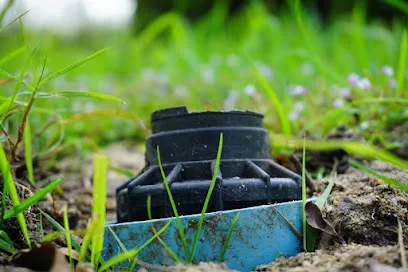
To winterize an in-ground sprinkler system, shut off the irrigation water supply and remove water using the method the system was designed for. Check the system manual to determine whether it uses designated drains, automatic-drain components, or a compressed-air blowout. If the manual calls for a blowout and you cannot follow its instructions, have a qualified irrigation professional handle it.
Use the forecast, not a calendar date, to start
Plan the shutdown ahead of forecast freezing weather, allowing enough time to follow the system’s instructions or arrange help if needed. A fixed date is an unreliable trigger because the first freeze varies from year to year and across locations. The useful signal is the forecast for the property, balanced against the time needed to complete the work.
Before beginning the shutdown, turn off the controller’s automatic watering schedule for the season. Otherwise, a scheduled cycle may start while the system is being drained or after the water supply has been closed. Seasonal shutoff is different from erasing the program: if the controller has an off, rain-delay, or seasonal mode that preserves its settings, use the option described in its manual.
Identify how the system is meant to shed water
Look for the irrigation system’s manual or installation notes and identify its water-removal design before operating valves. Three approaches are common, but they are not interchangeable:
- Manual drains: These systems have designated drain points that an owner opens according to the manufacturer’s directions after shutting off the supply. The instructions identify which drains to use and how the system should be left afterward.
- Automatic drains: These systems contain components designed to release water under specified conditions. Their presence and operation depend on the installed layout, so a valve or fitting that looks like a drain should not be treated as one without identifying it.
- Compressed-air blowout: This method uses air to push water through the irrigation lines. Follow the system manual’s procedure. If you cannot follow its system-specific instructions, have a qualified irrigation professional handle the blowout.
If the manual is missing and the drain arrangement is unclear, identify the system before opening valves or connecting equipment. That is the point where guessing changes the procedure rather than merely saving time.
Shut off the water and account for exposed equipment
Close the irrigation system’s water shutoff according to the instructions for the installed setup. Turning off the controller stops scheduled commands; it does not close the separate water supply. Keep those two actions distinct so that a powered-off timer is not mistaken for a drained system.
Then check exposed piping and above-ground equipment. Their materials, location, and manufacturer instructions determine whether they need draining or another form of protection. Follow the product directions for those components rather than assuming that the method used for buried sprinkler lines addresses every exposed part.
Leave a useful record for spring
Write down the method used, the location of the irrigation shutoff, and any part that needs attention before startup. A short note can prevent confusion months later, especially if someone else operates the system. Record whether the system was left in a drain, automatic-drain, or blowout configuration. If the manual specifies valve positions, note which valves were left open or closed.
Before spring watering resumes, use those notes to guide inspection and startup rather than treating the controller as the whole system. Look over visible equipment and observe the zones as they run, so a leak, broken head, or missed area can be noticed while the system is operating. For readers comparing local options, Memphis Irrigation & Backflow lists a “Winterize or Activate a Sprinkler System” project.