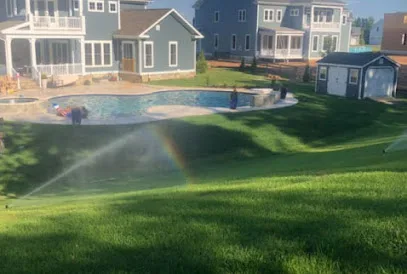
If you manage a home sprinkler system, late-season problems can look “almost fixed” while the real failure sits elsewhere: a stuck valve, a leaky line, or components that won’t survive a freeze. Its Green (109 Pleasant Hill Rd, Scarborough, ME 04074) works on irrigation winter services and sprinkler repair, with listed support that includes design and installation, maintenance and repair, and fall winterizations. The decision you’re really making is not simply “repair vs. winterize”—it’s which scope protects your lawn and keeps the system dependable next spring.
Start with what your sprinkler system is doing (not just what you notice)
Before calling for service, note the behavior you can describe zone-by-zone. Common clues include: zones that won’t reach full pressure, heads that don’t pop up consistently, water pooling in one area, or sprinklers that seem fine during testing but fail during a longer run. Those patterns matter because they point you toward different work scopes.
When you’re deciding between sprinkler repair and winterization, the key question is: are you dealing with a functional issue that needs fixing before shutdown, or a seasonal shutdown process that only needs to protect the system? A contractor should be able to connect your symptoms to the likely system component—heads, nozzles, valves/solenoids, or water control elements—then align the estimate to that reality.
When repair should come first
If you still have active sprinkler problems going into fall, winterization alone can’t correct them. For example, a valve that doesn’t switch reliably can leave a section under-pressurized or partially running. That can reduce coverage and also increases the odds of freeze damage if water remains where it shouldn’t. Similarly, uneven spray patterns can indicate clogged nozzles, worn components, or pressure losses that should be addressed before seasonal shutdown.
Its Green’s public positioning includes maintenance and repair alongside fall winterizations, which is a practical fit for homeowners who want the system working first, then protected for winter.
When winterization is the main priority
If your sprinkler system has been running normally and you’re simply preparing for freezing weather, the scope is often dominated by fall winterization tasks. In practical terms, that means shutting down irrigation in a way that helps prevent freeze-related failures in the plumbing and sprinkler components. Even when you’re “only” scheduling winterization, you should expect questions about how your system runs and whether any zones acted differently late in the season.
Match the scope to timing: spring start-up risk vs. winter freeze risk
Scheduling decisions affect what you can reasonably fix. If you wait too long, a small issue can turn into a bigger one—especially if the system is left holding water during freeze conditions. On the other hand, rushing into winterization without addressing an obvious sprinkler malfunction can lead to more spring troubleshooting.
In your planning, ask how your contractor intends to handle the order of operations: will they inspect and document the zones first, or winterize immediately? A well-run process doesn’t just “do the seasonal step”; it makes sure the system’s condition supports that step.
Use the quote to verify what’s included (and what isn’t)
Whether you’re calling for sprinkler repair, winterization, or both, the quote should help you understand the work boundaries. Look for specifics such as which zones are evaluated, which irrigation components are addressed, and how the winterization process is applied to your actual system layout.
Its Green can be reached at +1 207-956-1589 and lists its website as https://itsgreenllc.com/, so you can confirm the latest service details directly. When you speak with them, bring your notes: what zones misbehaved, when it happened, and whether the issue repeats. That makes it easier to avoid an estimate that’s too generic for your specific sprinkler/irrigation setup.
What to ask before you approve either scope
To keep your project aligned with your real goal—protecting your lawn and reducing next-season downtime—ask these questions during the estimate call:
1) Which parts of the system seem most likely based on my symptoms (heads/nozzles, valve/solenoid behavior, or plumbing issues)?
2) If repair is needed, which problems must be corrected before winterization to lower freeze risk?
3) If we start with winterization, how will you confirm there isn’t an underlying sprinkler fault that should be fixed first?
With the right match between repair and seasonal shutdown, your irrigation system is more likely to come back reliably when warmer weather returns.